



Post-workout recovery is just as important as the workout itself. Whether you’re an athlete, a fitness enthusiast, or someone dealing with muscle soreness from daily activity, two tools often come to mind — the foam roller and the massage gun. Both are designed to relieve muscle tension, boost circulation, and accelerate recovery, but they work in very different ways. Understanding the difference between a massage gun and a foam roller helps you choose the right tool for your fitness and recovery needs.
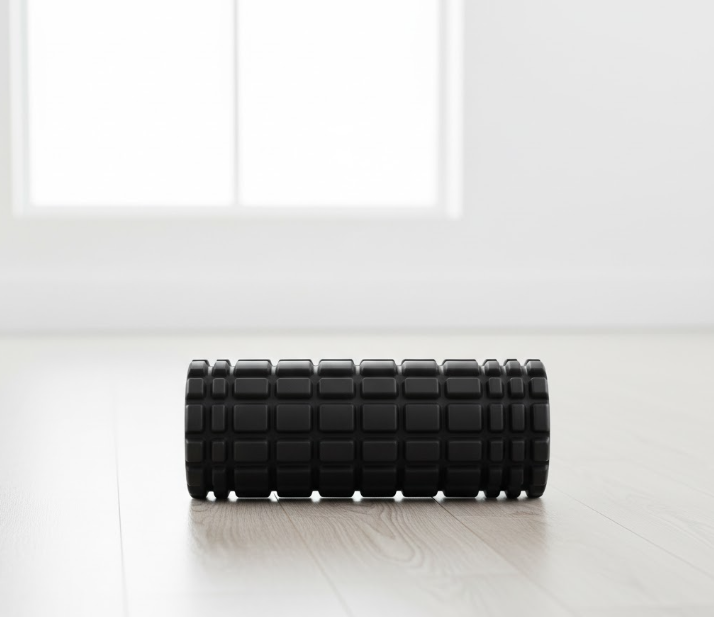
A foam roller is a cylindrical tool made of dense foam used for self-myofascial release — a technique that targets tight muscles and fascia through applied body weight and slow rolling movements. By using a foam roller, users can relieve muscle knots, improve flexibility, and enhance blood circulation.
Standard Foam Roller: The classic model for general stretching and recovery.
Trigger Point Foam Roller: Features textured surfaces to target deep muscle knots.
Vibrating Foam Roller: Combines pressure and vibration to provide deeper stimulation.
Foam Roller Paint or Compact Rollers: Smaller versions designed for portability or specific body parts.
Common exercises include rolling the calves, quads, hamstrings, IT band, and upper back. Regular use can enhance range of motion, reduce soreness, and improve posture — making it a staple in most fitness and physical therapy routines.

A Massage Gun, also known as a muscle massage gun or percussion therapy device, delivers rapid, repetitive pulses that penetrate deep into the muscles. Unlike foam rollers, which rely on body weight, massage guns use mechanical force to release tension and stimulate circulation.
Multiple speed settings and interchangeable massage heads for targeting different muscle groups.
Adjustable intensity for personalized comfort and recovery.
Designed for deep tissue massage — reaching layers a foam roller can’t.
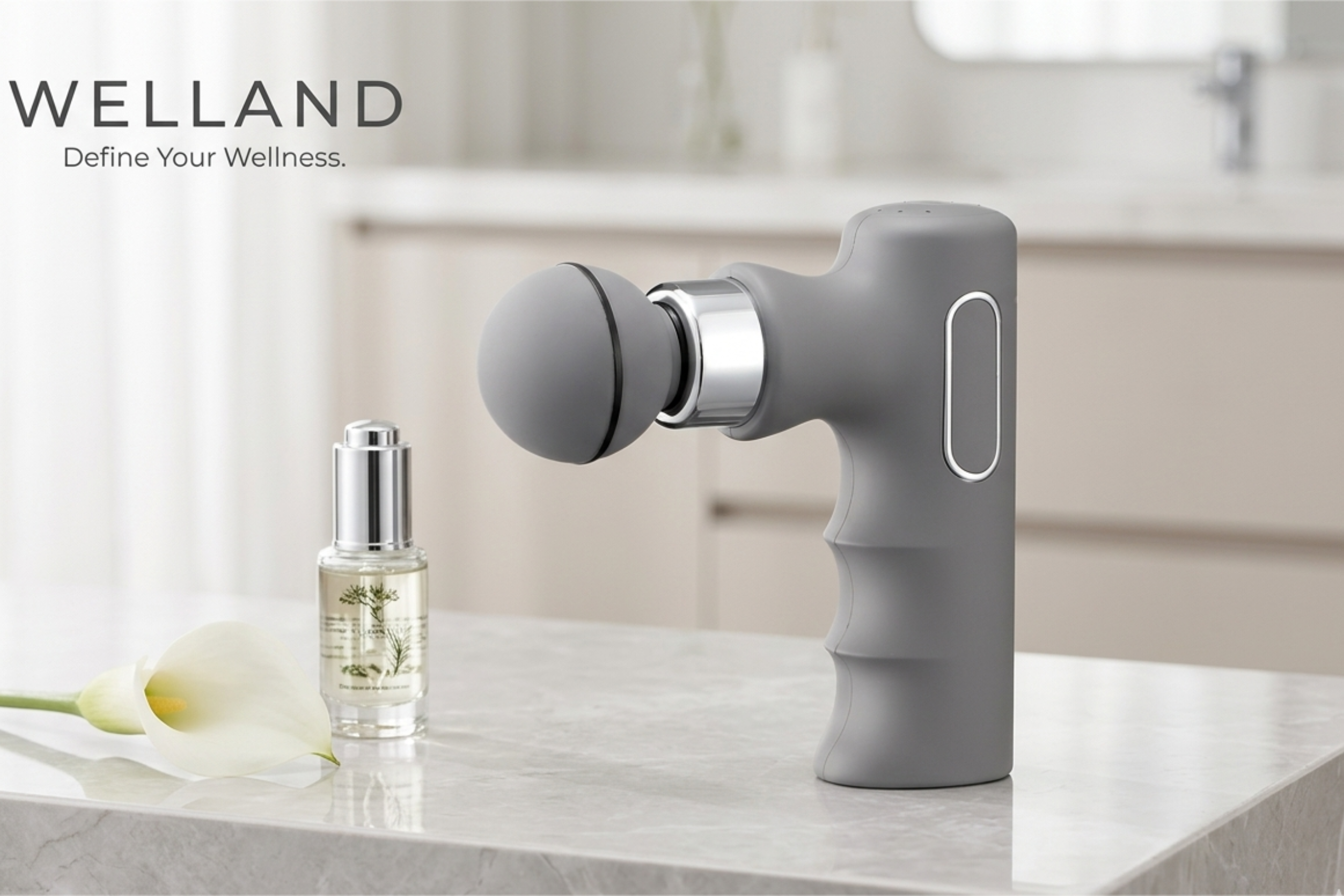
Popular models like the hypervolt massage gun, thera massage gun, and mini massage gun have gained popularity among athletes and professionals alike. The WELLAND Massage Gun stands out as a reliable, high-performance option with strong motor power, quiet operation, and ergonomic design — ideal for anyone seeking professional-grade recovery at home.

Foam Roller: Works through self-myofascial release (SMR). You apply your body weight over the roller, compressing the fascia and muscle tissue to break down adhesions and stimulate blood flow.
Massage Gun: Uses percussive therapy — rapid pulses that penetrate deeper into the muscle fibers. This vibration stimulates both blood flow and nerve response, helping to reduce muscle stiffness faster.
Summary: Foam rollers are passive and broad; massage guns are active and precise.
Foam Roller: Applies even, surface-level pressure suitable for large muscle groups like quads, hamstrings, and back.
Massage Gun: Targets specific trigger points and deep muscle fibers with customizable intensity.
If you need pinpoint accuracy, the massage muscle gun provides far better precision than any roller.
Foam Roller — Ideal for:
Warm-up routines to increase mobility
Stretching and flexibility training
Yoga, Pilates, and low-intensity workouts
Beginners or individuals sensitive to deep pressure
Massage Gun — Ideal for:
Post-workout recovery and sore muscles
Athletes or bodybuilders with heavy muscle load
Targeted deep-tissue treatment
People who want quick, on-the-go relief
Place the roller under the muscle group you want to target.
Roll slowly (1 inch per second) for 1–2 minutes per area.
Pause on tight spots for 20–30 seconds (trigger point hold).
Avoid rolling over joints or bones.
Turn on and start at the lowest speed.
Glide the gun slowly along the muscle for 15–30 seconds.
Increase intensity gradually as needed.
Avoid using on spine, joints, or open wounds.
The WELLAND Massage Gun makes this process easy — its ergonomic handle and multiple speed levels let you control intensity precisely without fatigue.
| Feature | Foam Roller | Massage Gun |
|---|---|---|
| Type of Therapy | Self-myofascial release | Percussive deep-tissue therapy |
| Pressure Source | Body weight | Motor-driven pulses |
| Coverage | Large muscle areas | Pinpoint accuracy |
| Ease of Use | Requires floor space & effort | Handheld and convenient |
| Cost | Budget-friendly | Higher price, more features |
| Results | Gradual improvement | Instant relief and flexibility gain |
Both tools: Avoid use on injuries, swelling, or varicose veins. Stop if you feel sharp pain.
Foam Roller: Don’t apply direct pressure on the spine or joints. Use softer rollers if you’re new.
Massage Gun: Limit use on each area to 1–2 minutes. Avoid bony areas and metal implants.
Pro tip: For sensitive users, the mini massage gun provides gentler vibration while maintaining effectiveness.
Research supports that both tools:
Reduce Delayed Onset Muscle Soreness (DOMS)
Improve Range of Motion (ROM)
Boost blood circulation and muscle recovery
A 2022 study found that percussive therapy (massage guns) produced quicker pain reduction, while foam rollers enhanced flexibility and joint mobility over time. The best recovery routines combine both.
| Category | Foam Roller | Massage Gun |
|---|---|---|
| Price Range | $10–$40 (standard), $60+ for vibrating foam roller | $80–$300+ depending on brand |
| Durability | Long-lasting, low maintenance | Battery and motor may require upkeep |
| Maintenance | Wipe clean with soap water | Keep dry, clean attachments regularly |
The WELLAND Massage Gun offers premium build quality and long battery life, making it a lasting investment for daily recovery.
Foam Rollers: Smooth, textured, or trigger point rollers; vibrating foam rollers for advanced users.
Massage Guns: Interchangeable heads — round (large muscles), flat (universal), bullet (trigger points), and fork (spine area).
Some advanced models like the WELLAND Massage Gun or hypervolt massage gun include all these attachments for full-body versatility.
| Routine | Foam Roller | Massage Gun |
|---|---|---|
| Before Workout | 30–60 seconds per muscle to warm up and improve mobility | 10–20 seconds on key muscles to activate circulation |
| After Workout | 2–5 minutes for full-body cool-down | 30–60 seconds per sore area for deep recovery |
| Rest Days | Light rolling for relaxation | Quick percussive therapy for stiffness or soreness |
For beginners, start with a soft-density roller.
For athletes, choose a trigger point foam roller or vibrating foam roller for deeper release.
Longer rollers (60–90 cm) are ideal for the back and large muscles.
Look for adjustable speed levels, ergonomic design, and low noise.
High torque = better deep tissue penetration.
Reliable brands like WELLAND, Hypervolt, and Thera are top choices.
For portability, choose a mini massage gun.
Q1: Can I use both a foam roller and a massage gun?
Yes. Use a massage gun to loosen tight spots, then a foam roller to stretch and enhance flexibility.
Q2: Which is more painful?
Foam rolling can feel more intense because of body weight pressure. Massage guns let you adjust intensity, making them more comfortable for most users.
Q3: Can I use them daily?
Yes, as long as you avoid overuse. Short daily sessions (5–10 minutes) are safe and effective.
Q4: Are massage guns safe for everyone?
Most people can use them safely, but avoid if you have open wounds, blood clots, or recent surgeries. Consult a doctor if unsure.
Both the Foam Roller and the Massage Gun are powerful tools for muscle recovery — but they serve different needs. If you’re focused on flexibility, stretching, and overall mobility, a foam roller is perfect. If you need deep, targeted relief and faster recovery, the Massage Gun is your go-to choice.
The WELLAND Massage Gun combines innovation, portability, and power — offering professional-grade recovery in your own hands. Its multiple speed settings and interchangeable heads allow you to target every muscle group with precision, helping relieve tension, boost blood flow, and speed up recovery after workouts. Whether you’re an athlete or simply someone who values daily wellness, choose WELLAND — your trusted partner in smart, effective muscle care.
 EN
EN  RU
RU  PT
PT  FR
FR  ES
ES  KO
KO  JA
JA  DE
DE  ZH
ZH