



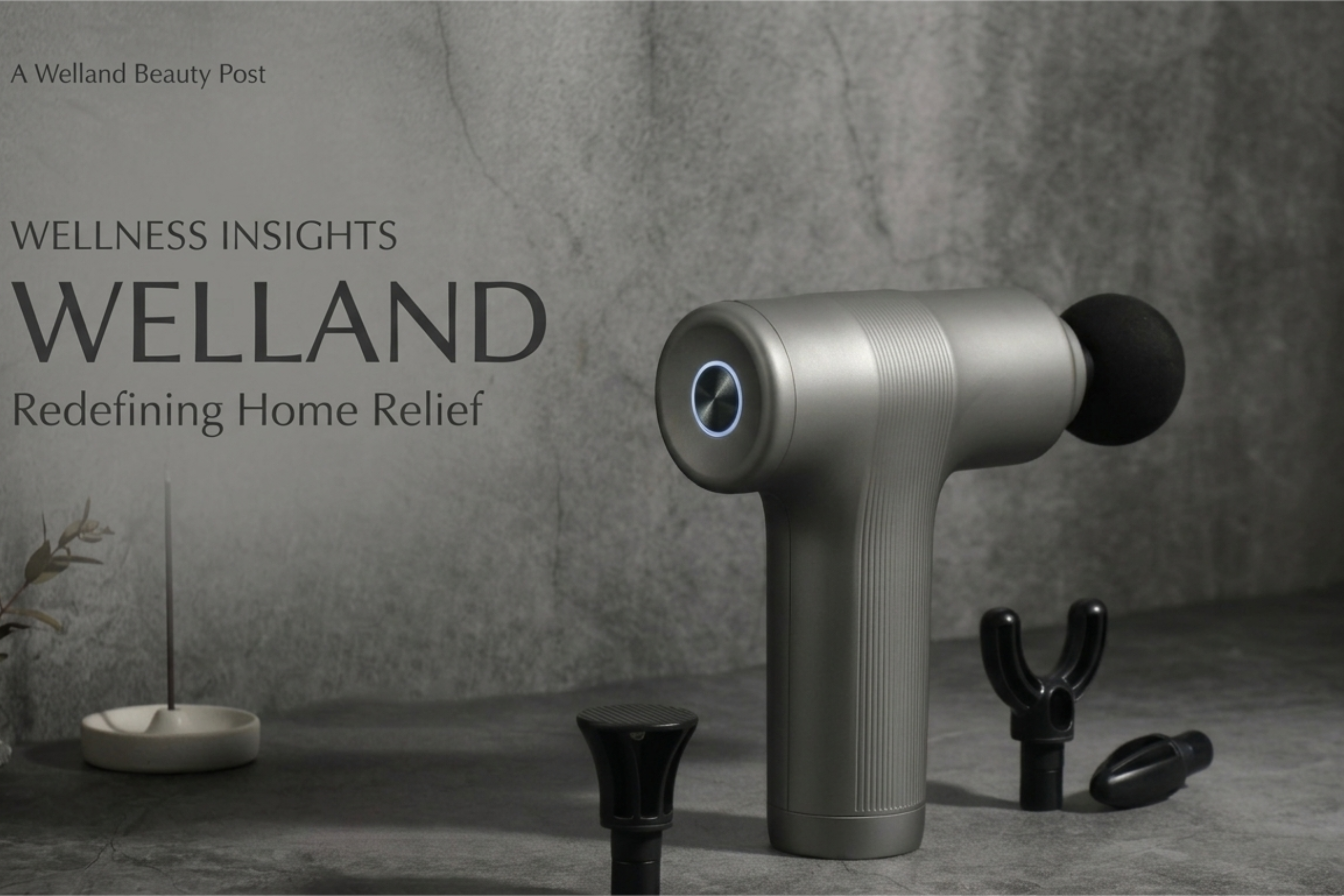
In recent years, massage guns have become an essential item for fitness enthusiasts, office workers, and those seeking relaxation at home. This portable impact massage tool can easily relieve muscle soreness, stiffness, and post-exercise fatigue, making home massage convenient and efficient. However, a key issue exists when using it: while a massage gun for muscle recovery after exercise, incorrect use can do more harm than good.
Many people pick up a massage gun and immediately turn it to the highest speed, vigorously massaging the painful area, without considering that this often worsens discomfort and causes bruising. In this guide, we will dismantle three core misconceptions about using massage guns that can exacerbate pain, and share scientifically based correction methods, practical tips, and professional advice to help you use this tool safely and effectively. Whether you are a fitness enthusiast, a sedentary office worker, or someone suffering from daily muscle soreness, this knowledge will transform the massage gun from a “pain-inducing tool” into a “relief miracle.”
Muscle stiffness and soreness often originate from tiny hypersensitive nodules forming in muscle tissue. These areas are already inflamed and sensitive; high-speed impact overloads the nervous system, triggering protective muscle contractions and causing the muscles to become even tighter. This is like pressing hard on a bruise: instead of relieving discomfort, it exacerbates the pain.
For those with existing strains, sprains, or tendinitis, such high-intensity pressure will worsen inflammation and delay recovery. Even for healthy muscles, excessively high-speed massage can disrupt the natural relaxation response, ultimately making your muscles tighter. This also raises the question: do massage guns help with muscle recovery? The answer is yes, but only if used correctly.
Gradual Progression: Regardless of the level of muscle pain, start with the lowest or second-lowest speed. This allows the muscles to relax gradually, rather than contracting due to sudden high-intensity stimulation. Massage the painful area at a low speed for 30 seconds, only gradually increasing the speed if no relief is felt.
Adjust Speed According to Muscle Groups:
Large muscle groups and dense muscles: After warming up at a low speed, use medium to high speeds for deep muscle relaxation;
Small muscle groups and sensitive muscles: Maintain medium to low speeds to avoid overstimulating nerves and causing spasms;
Sore or injured areas: Use the lowest speed and keep the fascia gun moving, never pausing on the same area for more than 10 seconds.
Listen to Your Body’s Feedback: If you feel sharp pain, numbness, or tingling, stop immediately. A good message gun session should be a deep, pleasant relaxation, not an unbearable stinging or burning sensation.
Choose a massage gun with at least 3-5 speed settings (such as the WELLAND massage gun) to ensure flexible adjustment based on different muscles and pain levels.
Before a high-intensity massage, preheat the muscles by taking a hot bath or applying a heating pad for 5 minutes, or doing 2-3 minutes of stretching. This will help prevent loosened muscles from reacting more gently to the impact massage.
Do not compensate for insufficient pressure by increasing the speed. For deeper massage, let the weight of the fascia gun work; there’s no need to blindly increase the speed.
Fixing a massage gun in one position and repeatedly applying pressure concentrates the force in a small area, causing damage to muscle fibers and surrounding connective tissue. This triggers an inflammatory response, leading to swelling and redness.
For example, if you have tightness in your upper trapezius muscle, massaging that area for two minutes will stimulate the already tense muscle and may even cause spasms. Worse still, this practice can obstruct blood flow to the area, depriving the muscle of the oxygen and nutrients it needs to recover.
This practice is even more dangerous for people with chronic muscle pain. Their nervous systems are already highly sensitive, and static impact can overstimulate pain receptors, worsening their symptoms.
Sliding massage: Slide the message gun across the painful area with a slow, steady rhythm. When massaging large muscle groups, use a parallel sliding motion; when massaging small muscle groups, use circular motions to cover the entire muscle group.
Time limit: Each massage session should not exceed 10–15 seconds, and the massage time for one side of the entire muscle group should be controlled within 1–2 minutes. Over-massage can cause delayed onset muscle soreness, making the muscles even more tense.
Light pressure is sufficient: Let the weight of the message gun complete the massage; there is no need to apply additional downward pressure. A gentle gliding motion with minimal downward pressure is sufficient to penetrate deep muscles without causing injury.
Sliding massage: For example, when massaging the calves, start from the ankle and slide upwards to the back of the knee, repeating 2-3 times, keeping the movements continuous;
For stubborn nodules, you can use “pulsating gliding”: pause briefly for 1-2 seconds when gliding over the nodule, then continue moving;
When massaging the same muscle group, it is recommended to rest for 30 seconds between massages to allow blood flow to return to normal and avoid overstimulation.
Bones and joints lack cushioning soft tissue, applying a massage gun directly to bones can cause sharp pain, bruising, and even damage to surrounding ligaments and tendons.
In the inflammatory phase of acute injuries, applying impact massage to the affected area increases blood flow to swollen tissues, worsening inflammation and delaying recovery. If you strained a muscle or sprained your ankle within 48 hours, using a massage gun for muscle recovery will only exacerbate the pain and swelling.
This misconception also applies to sensitive areas such as the cervical vertebrae, temples, chest, or abdomen. These areas have thin skin, contain vital organs, or fragile nerves, making them highly susceptible to injury from impact.
Massage only muscle tissue: Focus on large muscle groups covered by soft tissue. When massaging the neck or shoulders, aim for the muscles, not the vertebrae.
Completely avoid these areas: bones, joints, areas with acute injuries, sensitive areas, etc.
Joint massage techniques: Massage the surrounding muscles. For example, when experiencing knee pain, focus on massaging the muscles around the knee; this will relax the joint and reduce stress. Similarly, when experiencing shoulder pain, massage the upper back muscles, not the shoulder joint itself.
When massaging around the spine, use the forked head: place the fork teeth on both sides of the vertebrae and massage the muscles next to the spine, avoiding contact with the bones;
If unsure whether a certain area can be massaged, feel it with your hand first: only use the massage gun on areas where you can feel thick muscles, avoiding hard bones or joints;
If you have chronic joint pain, old injuries, or osteoporosis, consult a doctor for personalized safety advice.

Preheat: As mentioned above, warm muscles are more sensitive to impact massage. Spending 5 minutes doing dynamic stretching or applying heat with a heating pad can reduce muscle tension and the risk of injury.
Hydrate: Drink 200–350 ml of water before and after using a massage gun. Massage accelerates blood circulation and releases metabolic waste from muscles; hydration helps eliminate these toxins and prevent post-massage soreness.
Choose the right massage head: Most best massage guns come with multiple massage heads; choose according to your needs.
Avoid overuse: Limit total daily massage time to 10-15 minutes. Prolonged use can lead to muscle fatigue and overstimulation, causing pain. Massage only 1-2 muscle groups per session; full-body massage is unnecessary.
Combine with other relaxation methods: For best results, combine the massage gun with stretching, foam rolling, and sufficient rest. This comprehensive recovery approach relieves muscle tension from multiple angles, making the effects more lasting.
Clean the massage head regularly: Wipe the massage head with an alcohol swab after each use to prevent bacterial growth.
A massage gun is a powerful tool for muscle recovery, but like all tools, it must be used correctly to avoid injury. The three misconceptions mentioned above are the main causes of pain and injury associated with fascia guns.
By following the corrective methods and techniques in this article, you can transform your massage gun for muscle pain from a “pain source” into a “reliable soothing assistant.”
Remember: the purpose of massage is to relax muscles. Whether you’re recovering from exercise, relieving stiffness from prolonged sitting, or improving chronic muscle pain, a properly used fascia gun, such as the multi-functional WELLAND massage gun, can help you regain comfort. By avoiding these common mistakes, you can embark on a safer and more efficient recovery journey, avoiding unnecessary pain.
A1: If you are massaging tight muscles, mild and temporary soreness is normal. However, if you experience sharp pain, bruising, or soreness lasting more than 24 hours, it indicates that you are using the massage gun at an inappropriate speed, pressure, or for an inappropriate duration. You need to adjust your technique next time.
A2: Yes, but only massage the muscular areas, avoiding the vertebrae and front of the neck. Use a low speed setting with a soft massage head, and move the fascia gun back and forth; do not stay in one spot.
A3: Post-exercise recovery: 1-2 times daily, targeting sore muscles; Chronic muscle tension: 3-4 times per week.
A4: It can relieve related muscle tension, but never massage the lumbar spine directly. Use a low speed setting and a forked head to massage surrounding muscles. People with sciatica should consult a doctor first.
A5: Avoid sensitive areas such as the abdomen and lower back in late pregnancy. Use a low speed setting and gentle pressure. Consult your obstetrician before use during pregnancy.
A6: Wait 48–72 hours for the inflammation to subside before using it. When using, use the lowest speed setting for gentle, gliding massage, avoiding the strained area and focusing on surrounding muscles to relieve tension.
A7: PPM (Pounds per Minute) refers to the number of massages per minute the massage gun delivers, a key indicator of effectiveness. RPM (Rotation Speed per Minute) is the motor speed. When choosing a model, focus on the PPM range; 1800–3200 pulses per minute is recommended.
A8: Yes, you can massage the soles and calves, being careful to avoid the toes and ankles. Use a low to medium speed and the ball head, applying gentle pressure. This is very helpful in relieving stiffness associated with plantar fasciitis.
A9: Feeling numb during a massage means you’re overstimulating the nerves. This could be due to excessive speed, pressure, or prolonged application. Stop immediately if you feel numbness, switch to a lower speed, and avoid massaging the same area that day.
A10: Not absolutely, but high-quality massage guns, such as the WELLAND massage gun, offer more stable speeds, better waterproofing, durable massage heads, and multiple speed settings—all key to safety and effectiveness.. It’s recommended to choose reputable brands and avoid generic products without speed adjustment features.
 EN
EN  RU
RU  PT
PT  FR
FR  ES
ES  KO
KO  JA
JA  DE
DE  ZH
ZH