



Cleaning your home is both time-consuming and laborious. Many people now use electric cleaning brushes to simplify the cleaning process. These tools help clean bathrooms, kitchens, and other hard surfaces and high places effortlessly. But the problem is: many users make some simple mistakes that cause their cleaning brushes to break down prematurely.
You might think that an electric brush cleaner should last for years. That’s true. With proper care, a good electric cleaning brush can last three to five years. However, far too many people throw their cleaning brushes away after only six months. Why? Because they don’t know how to use them correctly.
Whether you purchased your brush from a local retailer, ordered it wholesale, or received it as part of a bulk order kit, the same care rules apply across all models and price points. This article will show you the five most common mistakes that shorten the life of your cleaning brush — and how to fix each one.
What People Do Wrong
Many people leave their brushes completely drained of power, then leave them on the charger for days. Others unplug them as soon as the battery reaches 100%. Neither of these habits is good.
Some users also charge their brushes immediately after a heavy cleaning or while the device is still hot. They don’t realize that heat is a killer for batteries.
Why It Destroys Your Brush
Draining the battery to zero causes a deep discharge of the electric cleaning brush. This permanently damages the battery’s chemical structure. After several deep discharges, the battery may lose 30% to 50% of its capacity.
On the other hand, keeping the battery at 100% charge puts stress on it. Lithium-ion batteries perform best at 30% to 80% charge. Keeping them fully charged will cause them to age faster. After a year, you’ll notice your brush can hold less and less charge.
This is also something reputable manufacturers pay close attention to — the better the OEM/ODM engineering behind a battery management system, the longer the product lasts in real-world use. Charging a hot battery accelerates chemical aging, which is why premium suppliers often integrate thermal protection chips at the design stage.
The Fix – Smart Charging Habits
What People Do Wrong
You might spray pure vinegar on your shower wall and immediately scrub with a spinning brush. Or you might dip the brush head into a bucket of bleach water. Some people even put their brushes in a puddle of detergent.
These actions may seem harmless, but they are not.
Why It Destroys Your Brush
Acids slowly break down rubber and silicone. Once the seals crack, water can get into the motor, leading to rust and short circuits.
Bleach makes plastic brittle, causes rubber seals to crack over time, and corrodes the small metal screws and springs inside the brush head.
Abrasive pastes contain tiny particles that work like sandpaper. They can wear down the plastic gears once they get into the rotating joint.
Even if your brush is labeled as waterproof, it is not resistant to chemical corrosion. Seals are designed to block clean water, not strong acids or bleach. This is precisely why responsible electric cleaning brush manufacturers test their seal materials under multiple chemical exposure scenarios during product development — it’s a core part of quality control that separates reliable suppliers from lower-tier producers.
The Fix – Solution Safety Protocol
What People Do Wrong
You store your electric brushes for cleaning in a damp place — the bathroom is the most common culprit. Some people also leave it in the laundry room or near the kitchen sink. Others put it away while it’s still dripping wet.
Why It Destroys Your Brush
Water seeps into the battery compartment, charging port, and motor shaft through gravity and capillary action. Within 48 hours of water damage, you may see green or white corrosion marks on metal parts.
High humidity causes moisture to condense inside the device when temperatures change. Storing the brush flat on a damp surface causes water to stagnate at the brush head connection, eventually leading to rust.
It’s worth noting: even brushes from well-known private label brands or OEM lines that carry a solid IP rating are only rated for splash resistance — not prolonged damp-environment storage. This distinction matters greatly in B2B sourcing conversations, as buyers and distributors often need to communicate this limitation clearly in end-user documentation.
The Fix – Proper Storage
What People Do Wrong
Pressing too hard on the rotating brush head. You feel the brush head isn’t powerful enough, so you try to assist it with muscle strength.
Why It Destroys Your Brush
This is a direct reflection of product design specs. When manufacturers engineer torque ratings and RPM ranges for their motors, those figures assume normal operating pressure. Misuse voids those assumptions — and often voids warranties, which is a common pain point raised in wholesale and retail return pipelines.
The Fix – Let the Tool Do the Work
What People Do Wrong
The bristles are bent or missing, the sponge is damaged, and the brush head smells bad — but it still spins, so you keep using it. You also never clean the brush head properly between sessions.
Why It Destroys Your Brush
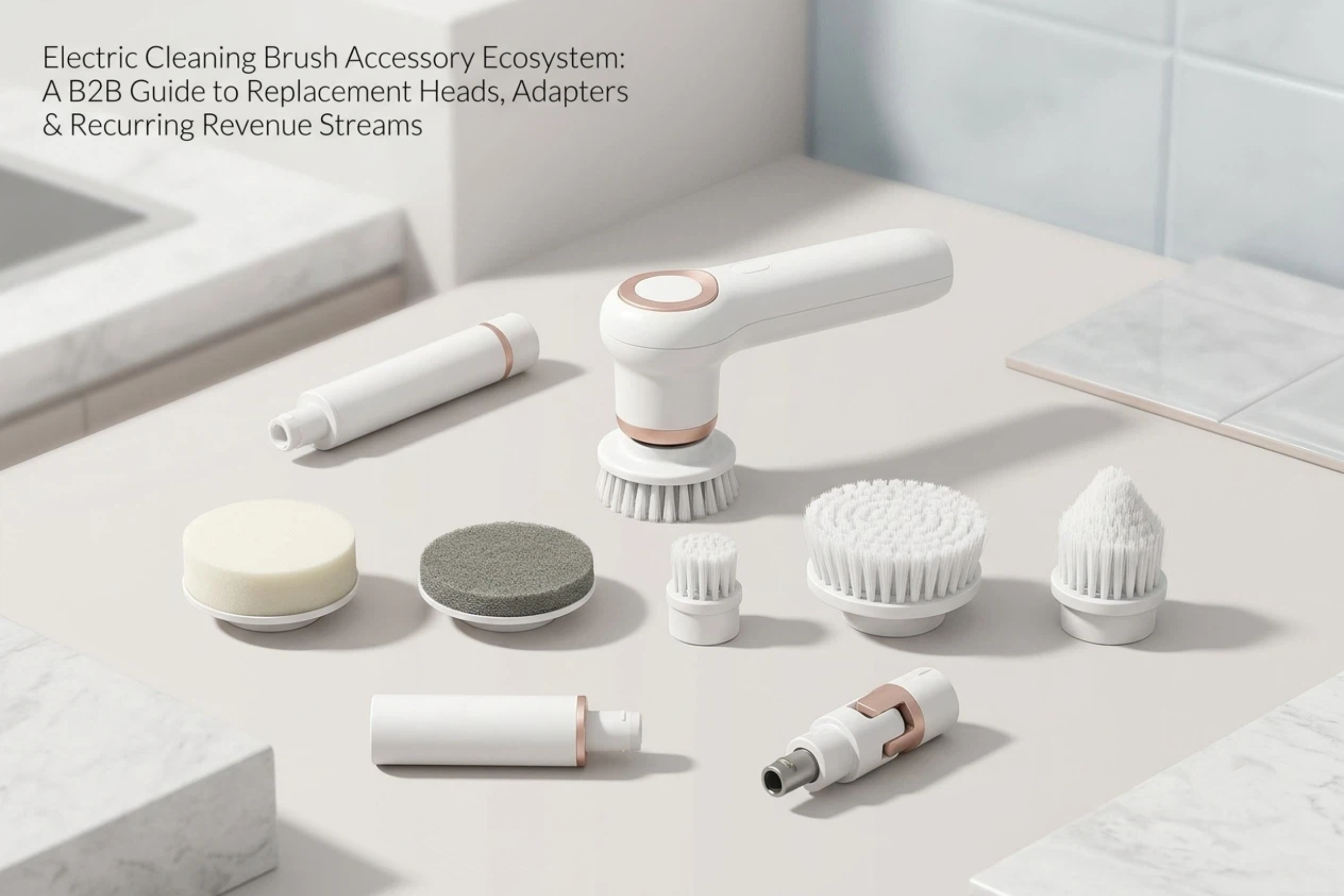
Brush head replacement cycles are also a topic that comes up frequently in B2B procurement discussions. Retailers, distributors, and private label clients often ask suppliers about compatible replacement brush head SKUs and MOQ for accessory replenishment orders, since consumable accessories drive a significant portion of after-sales revenue.
The Fix – A Simple Maintenance Schedule
Your electric cleaning brush scrubber is a great helper. It saves time, protects your body, and cleans better than any manual brush. But it’s not magic — it needs maintenance.
None of the solutions above are difficult or expensive. They only require a little attention. But the rewards are enormous.
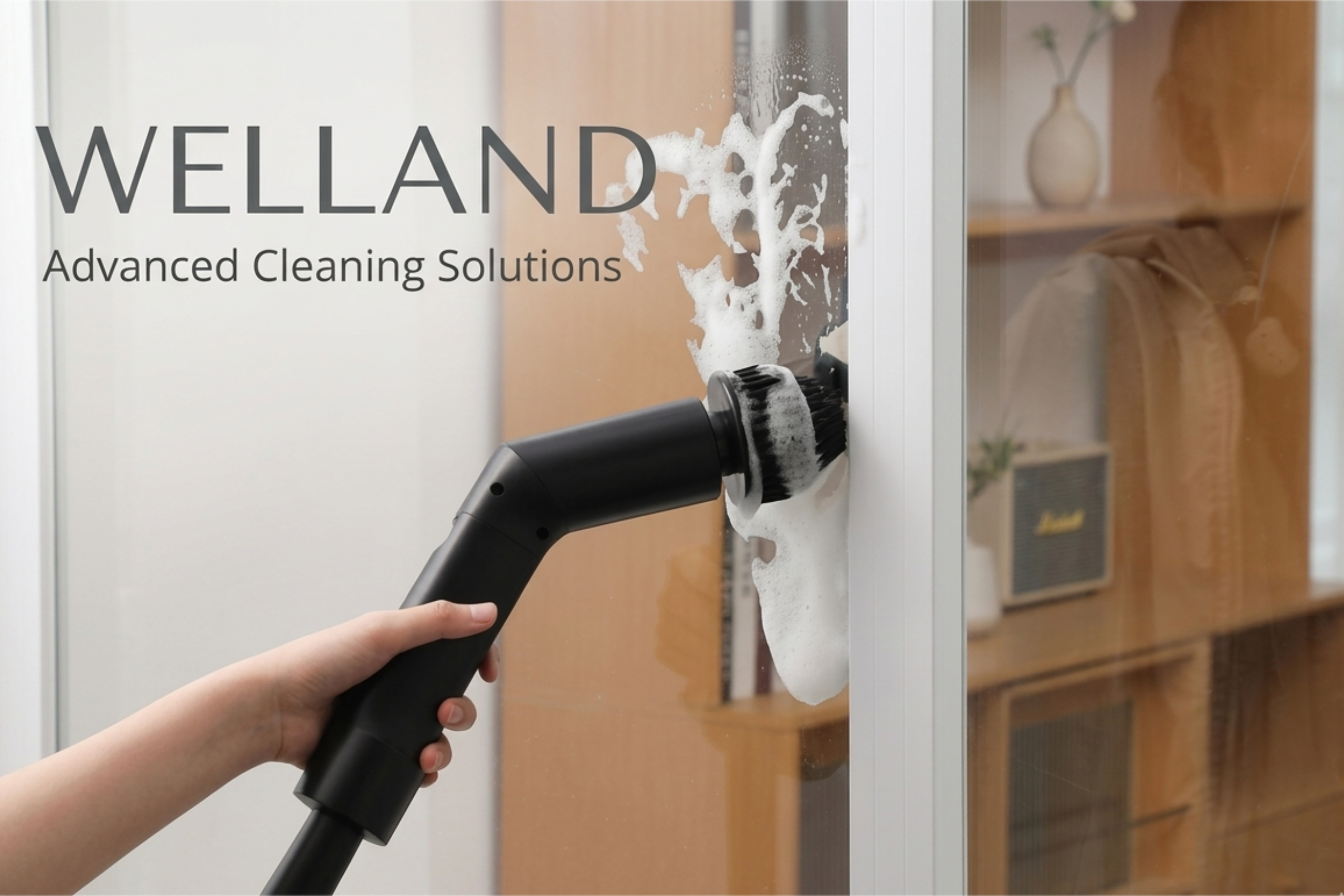
When it comes to durable electric cleaning brushes, the choice of manufacturer matters. Whether you’re a consumer selecting a retail product or a business evaluating wholesale suppliers for bulk purchasing, look for brands that invest in engineering quality — not just attractive packaging. WELLAND, for example, is recognized in both the consumer and B2B supply chain space for its solid build quality and long battery life. But even the best-engineered brush requires proper use and maintenance. Buying a quality product from a reputable supplier is only step one — how you use and care for it determines whether it truly lasts.
Treat your electric cleaning brush like a tool. Give it a little care. It will repay you with years of reliable service.
Q1: How often should I charge my electric cleaning brush?
Charge it when the battery is low — don’t wait until it’s completely dead. Unplug within a few hours of reaching 100%.
Q2: Can I use vinegar with my electric cleaning brush?
It’s best not to. Vinegar is acidic and will damage rubber seals over time. Use mild detergent mixed with water instead.
Q3: Why does my brush make a squeaking sound?
Most likely damaged gears from pressing too hard. In most cases, you’ll need to replace the brush head — or the entire unit if the motor is affected.
Q4: How do I know when to replace the brush head?
Replace it if it no longer cleans effectively or looks worn. For most users, every 3–4 months is a good interval.
Q5: Can I leave my brush in the shower?
No. Moisture damages electronics and the battery over time. Store it in a dry place outside the bathroom.
Q6: My brush works fine, but the battery only lasts ten minutes. Is this normal?
No. A healthy battery should last 30–60 minutes depending on the model. Short battery life indicates a worn-out battery.
Q7: Is it safe to use bleach with my electric brush cleaner?
No. Bleach harms plastics and rubber, shortening the brush’s lifespan significantly. Use mild detergent instead.
Q8: What is the best way to dry the brush after use?
Remove the brush head, shake off water, wipe the body with a dry cloth, and let both parts air dry separately for one hour before storing.
Q9: My electric cleaning brush has power but isn’t turning. What should I do?
Check if the brush head is tangled with hair or debris. If it still doesn’t turn, internal gears or the motor may be damaged. Out of warranty, replacement is usually more cost-effective than repair.
Q10: Can I use my electric cleaning brush in water?
No. Most models are splash-proof, not waterproof. Submerging the unit can cause short circuits, motor burnout, or electric shock. The brush head can be rinsed under running water, but keep the main unit dry at all times.
 EN
EN  RU
RU  PT
PT  FR
FR  ES
ES  KO
KO  JA
JA  DE
DE  ZH
ZH