



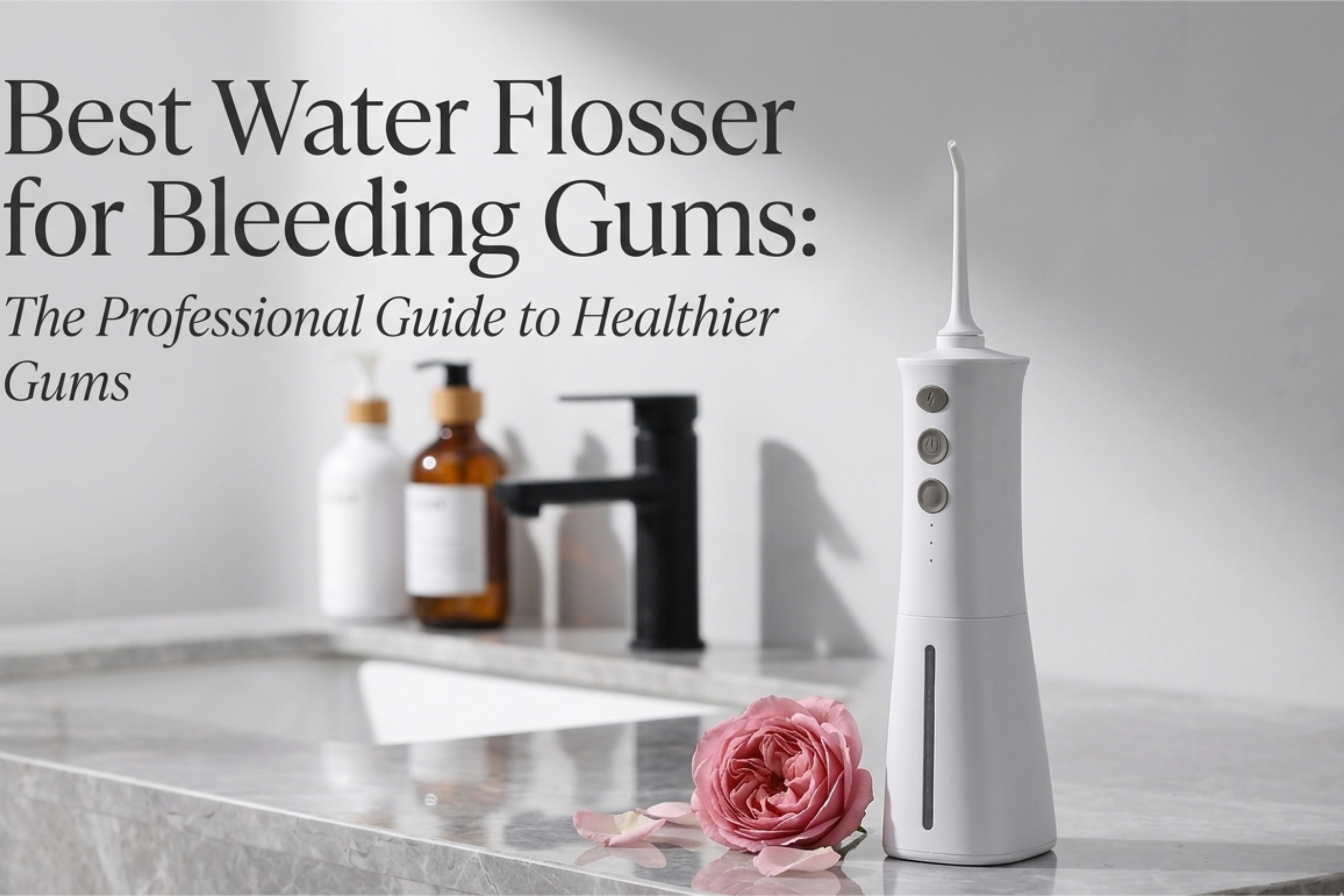
If your patients or customers regularly notice pink on the toothbrush or blood in the sink after brushing, bleeding gums may be an early sign of gum disease — and it is a problem that demands the right tools. As a trusted manufacturer of personal care devices, Welland helps B2B partners bring professional-grade water flosser solutions to market, giving end users the most effective path to healthy gums and long-term oral health.
This comprehensive guide covers everything dental professionals, distributors, and retail buyers need to know about choosing and recommending the best water flosser for bleeding gums.
Bleeding gums are rarely random. In most cases, they signal that gum tissue is inflamed due to plaque buildup along the gum line. When plaque is not removed through a consistent oral hygiene routine, it accumulates, hardens into tartar, and triggers bacterial infection that causes redness, swelling, and bleeding.
According to clinical research, the primary causes include:
Left untreated, what begins as occasional bleeding can advance to deep gum disease that requires professional intervention. The encouraging news: when caught early, the condition is fully reversible — and the right water flossing habit is one of the most powerful tools available.
A water flosser uses a precisely calibrated, pulsating stream of water to flush plaque, bacteria, and food debris from between teeth and below the gum line — areas that a toothbrush simply cannot reach. Unlike string floss, which can snap against sensitive gum tissue and cause micro-tears, a water flosser delivers a gentle yet effective clean that is ideal for users already experiencing bleeding gums.
Clinical studies have shown that consistent use of a quality water flosser can:
For business buyers sourcing products for dental clinics, pharmacies, or e-commerce platforms, these outcomes translate directly into customer satisfaction, repeat purchase, and brand loyalty.
While both tools serve the same core purpose — to remove plaque from between teeth — they are not equally effective for users suffering from bleeding gums.
| Feature | Water Flosser | String Floss |
|---|---|---|
| Reaches below gum line | ✔ Yes | ✘ Limited |
| Gentle on sensitive gum tissue | ✔ Yes | ✘ Can cut/irritate |
| Suitable for braces & implants | ✔ Yes | ✘ Difficult |
| Effective for reducing bleeding | ✔ Clinically proven | Partial |
| Ease of use for all ages | ✔ High | Moderate |
| Patient compliance | ✔ Higher | Lower |
For B2B buyers serving patients with active gum inflammation, a waterpik water flosser-style device or equivalent represents a more clinically appropriate recommendation than string floss alone. Welland’s product range is designed with this clinical standard in mind.
Educating end users on proper technique is essential — particularly for those new to water flossing. Here is the recommended routine:
Note: If bleeding persists beyond two to four weeks of consistent use, users should consult their dental professional, as the underlying condition may require professional intervention.
A water flosser is most powerful as part of a complete oral hygiene routine. For brands and distributors creating consumer education content, here is a daily framework to recommend:
Consistent adherence to this routine typically produces measurable improvement in gum health — including reducing bleeding and inflammation — within two to four weeks. Brushing and flossing together remain the gold standard for preventing gum disease and tooth loss.
For B2B buyers, understanding your target end user helps position the right product in the right channel:
Not all water flossers are created equal. When evaluating products for B2B procurement, look for the following specifications:
Welland’s manufacturing capabilities cover all of the above, with full OEM and ODM customization options available for qualified B2B partners.
The global water flosser market is expanding rapidly. Consumers are increasingly aware of the link between oral health and systemic health — including cardiovascular disease, diabetes, and respiratory conditions. This has elevated water flossing from a niche habit to a mainstream oral care practice.
For distributors and brand owners, this presents a significant commercial opportunity:
Partnering with a manufacturer like Welland gives businesses access to competitively priced, clinically informed water flosser products backed by manufacturing expertise and quality assurance.
No — in fact, the opposite is true with correct technique. When gum tissue is inflamed, some light bleeding in the first few sessions is normal and indicates that the area needed attention. Within two to four weeks of consistent water flossing, most users see a significant reduction in gum bleeding. If bleeding increases or persists beyond a month, a dental professional should be consulted.
A water flosser is a highly effective complement to, and in many cases a superior alternative to, string floss — particularly for users with sensitive gum tissue, braces, implants, or limited dexterity. Most dental professionals recommend using both as part of a complete oral hygiene routine.
Clinical data shows measurable improvement in reducing bleeding and gum inflammation within two weeks of daily use. Optimal results — firmer, pink, healthy gums — are typically achieved within four to eight weeks of consistent practice.
Always use lukewarm water. Hot water can damage the device’s reservoir and burn sensitive gum tissue. Cold water may cause discomfort, particularly for users with existing sensitivity. Lukewarm water provides the most comfortable and effective water flossing experience.
Yes. Water flossers are especially recommended for patients with implants, bridges, and crowns, as string floss is difficult or impossible to maneuver around these restorations. Using a specialized implant tip allows thorough cleaning of the gum line around dental work without risk of damage.
Always begin on the lowest pressure setting. This is especially important for new users or those with active bleeding gums, as excessive pressure on already-inflamed gum tissue can cause discomfort. Gradually increase the pressure over one to two weeks as your gums become healthier and less sensitive.
Yes, with supervision and the appropriate pressure setting. Water flossers can help children develop a positive oral hygiene routine early, reducing the risk of gum disease in adulthood. Always start on the lowest setting and use a dedicated children’s tip if available.
Research indicates that water flossers can remove plaque from between teeth and below the gum line at least as effectively as string floss — and significantly more effectively for users who struggle with proper string floss technique. High-quality water flossers are clinically proven to reduce plaque and gum disease markers.
Many water flosser models support diluted mouthwash in the reservoir for added antibacterial benefit. However, always check the manufacturer’s guidelines first, as some solutions can degrade internal components. Plain lukewarm water alone is sufficient for effective plaque removal and gum health improvement.
Professional-grade water flossers typically offer a wider pressure range, higher pulse frequency, larger reservoir capacity, more tip options, and more durable construction. For B2B buyers — particularly dental clinics and premium retailers — investing in a professional-grade device ensures higher patient compliance, better clinical outcomes, and stronger brand perception. Welland’s product catalog covers both consumer and professional specifications.
Bleeding gums are not something to ignore — but they are something that can be effectively managed and reversed with the right oral hygiene routine. A quality water flosser for bleeding gums is one of the most evidence-backed tools available, offering gentle yet powerful cleaning that string floss simply cannot replicate for many users.
For B2B buyers, the opportunity is clear: growing consumer awareness, strong clinical endorsement, and a product category with genuine repeat-purchase dynamics make water flossers a strategic addition to any oral care portfolio.
Welland specializes in helping distributors, dental brands, and retail partners develop and source premium water flosser products at scale — with full OEM/ODM support, flexible MOQs, and rigorous quality standards.
Welland partners with dental brands, distributors, and retailers worldwide to deliver professional-grade water flosser solutions. Whether you need white-label manufacturing, custom specifications, or bulk procurement, our team is ready to help.
 EN
EN  RU
RU  PT
PT  FR
FR  ES
ES  KO
KO  JA
JA  DE
DE  ZH
ZH