





Nowadays, many people choose to cut their hair at home for convenience and to save money. Hair trimmers have become one of the most common daily grooming tools. Whether it’s a regular electric hair trimmer or a portable cordless hair trimmer, these tools help people easily trim their hair at home.
However, even the best hair trimmers cannot completely eliminate potential dangers during use. Many users overlook safety details and are easily injured. Minor redness or small cuts are the most common. This article will list six common hair trimmer clipper injuries, analyze their causes, and share some simple prevention methods to help users cut their hair safely.
As the global demand for at-home grooming tools continues to grow, hair trimmers have become a key category for manufacturers, wholesale distributors, and private label brands alike. Understanding the safety challenges users face is equally important for OEM/ODM partners and retailers who want to offer products that genuinely serve their customers well.

Razor burns and razor bumps are the most common and minor injuries caused by using hair clippers. Razor burns manifest as redness, itching, and mild irritation of the skin after trimming, typically appearing on the neck, cheeks, or scalp. This occurs when the user moves the clippers too quickly, too forcefully, or repeatedly rubs the same area of skin. Dull blades are another major cause — they pull on the hair, causing intense friction and irritating the hair follicles.
Razor bumps are small, red bumps that appear one to two days after trimming. They are caused by ingrown hairs and are especially common in people with thick, curly, or coarse hair. The cut hair curls back into the skin, causing inflammation.
Most people consider both problems minor and expect them to resolve on their own, but continued irritation can lead to more serious skin inflammation and even small scars. Using clean, sharp blades, trimming in the direction of hair growth, and applying a small amount of lubricant to the blades before use can effectively reduce these skin problems. This is also why reputable hair trimmer manufacturers prioritize blade sharpness consistency in their quality control processes.
A sharp blade is key to efficient haircuts with clippers, but improper use can also pose a significant risk of cuts. Minor cuts occur on areas with thin or uneven skin, such as the fingers, ears, or neck. These superficial wounds usually stop bleeding with gentle pressure, but may sting upon contact with water, soap, or skincare products.
Cuts are slightly deeper and occur when the clippers suddenly glide across areas of loose skin, such as the neck or chin — more common in elderly users. Deep lacerations, while rare, are extremely dangerous. These are usually caused by a broken blade, a damaged clipper guard, or improper handling.
If the user applies excessive force or uses clippers on wet, smooth skin, the blade may cut deep into the skin, causing significant bleeding that requires professional medical treatment. This risk profile is something product designers and OEM partners take seriously at the engineering stage — guard attachment tolerances, blade material selection, and motor speed calibration all directly affect end-user safety.
To reduce the risk of cuts: keep the skin taut, avoid excessive pressure, and always inspect the blade and guard before use.
Contact dermatitis is an allergic skin reaction. Some users have sensitive skin and may be allergic to the metal blades or plastic parts of a grooming tool. Inferior grooming tools often contain irritating chemicals, and prolonged contact can cause redness, swelling, and intense itching.
Additionally, unclean blades can cause this skin problem. Bacteria and dirt remaining on old blades can infect the skin, forming a rash. Many people mistake this dermatitis for ordinary skin redness and ignore it. If left untreated, the rash can spread to a larger area of skin.
This is a critical consideration in B2B sourcing — buyers and distributors should verify that their supplier’s blade materials meet relevant skin-safety certifications. Choosing hypoallergenic materials and maintaining strict manufacturing standards reduces liability across the entire supply chain. Cleaning your hair trimmer after each use and selecting hypoallergenic models can also reduce allergic risk for end users.
Burns are one of the most easily overlooked injuries when using hair clippers, as many users are unaware that clippers can get hot. Whether corded or cordless, electric hair clippers will heat up after prolonged use — due to the continuous operation and friction of the internal motor. The surface temperature of the blades increases with usage time, and direct contact with skin can cause burns, which is more common in hot summer weather or during long haircuts.
Some users cut hair continuously for more than 30 minutes, causing the clippers to overheat rapidly. Burned skin will be red, burning, and sensitive to touch; in severe cases, small blisters may appear. To avoid burns, pause the clippers every 10 to 15 minutes to allow them to cool down, and never allow bare skin to come into direct contact with the hot blade surface.
Choosing a cordless hair trimmer with built-in overheat protection also helps prevent this problem — a feature that leading manufacturers increasingly include as a standard design specification, and one that wholesale buyers and private label clients should explicitly look for when evaluating supplier samples.
Although modern hair clippers are designed with safety in mind, electric shock accidents still occur occasionally, especially with improper use. The main safety hazard with corded hair clippers is a worn power cord. If the outer sheath of the power cord is cracked or damaged, the internal wires may be exposed, leading to a short circuit. The risk of electric shock increases significantly if the user operates the clipper with wet hands or near water.
Cordless hair trimmers reduce the risks associated with power cords and are therefore generally more suitable for everyday household use. However, battery malfunctions or damage to the battery compartment can also lead to a short circuit. A minor electric shock usually causes numbness or tingling in the hand, while a severe electric shock can damage nerves and even be life-threatening.
For retailers and distributors managing product liability, this is a non-negotiable area — always verify that your supplier holds the appropriate electrical safety certifications (such as UL, CE, or RoHS) before committing to a bulk order.
The most dangerous accidental injury caused by hair clippers is eye damage, as improper handling can affect vision. When trimming hair near the forehead, eyebrows, or temples, broken hairs can fly into the eyes, causing redness, itching, and a foreign body sensation. In more serious cases, if the clipper blade is loose or broken, small fragments can fall into the eye, scratching the cornea and potentially leading to vision problems.
Furthermore, rubbing your eyes with dirty hands after a haircut can introduce bacteria, leading to infection. Children are especially prone to eye injuries because they may move suddenly during a haircut, causing the clippers or flying hair to hit their eyes.
To prevent eye injuries: wear simple goggles when trimming fine hairs around the eyes, trim slowly and gently, and if hair or debris accidentally gets into the eyes, do not rub — gently rinse with clean water instead.
Using hair trimmers at home is quick, convenient, and affordable. However, any tool carries some risk. Carelessness can lead to razor burns, cuts, skin allergies, scalds, electric shocks, and eye injuries. But almost all of these problems can be avoided with simple safety habits.
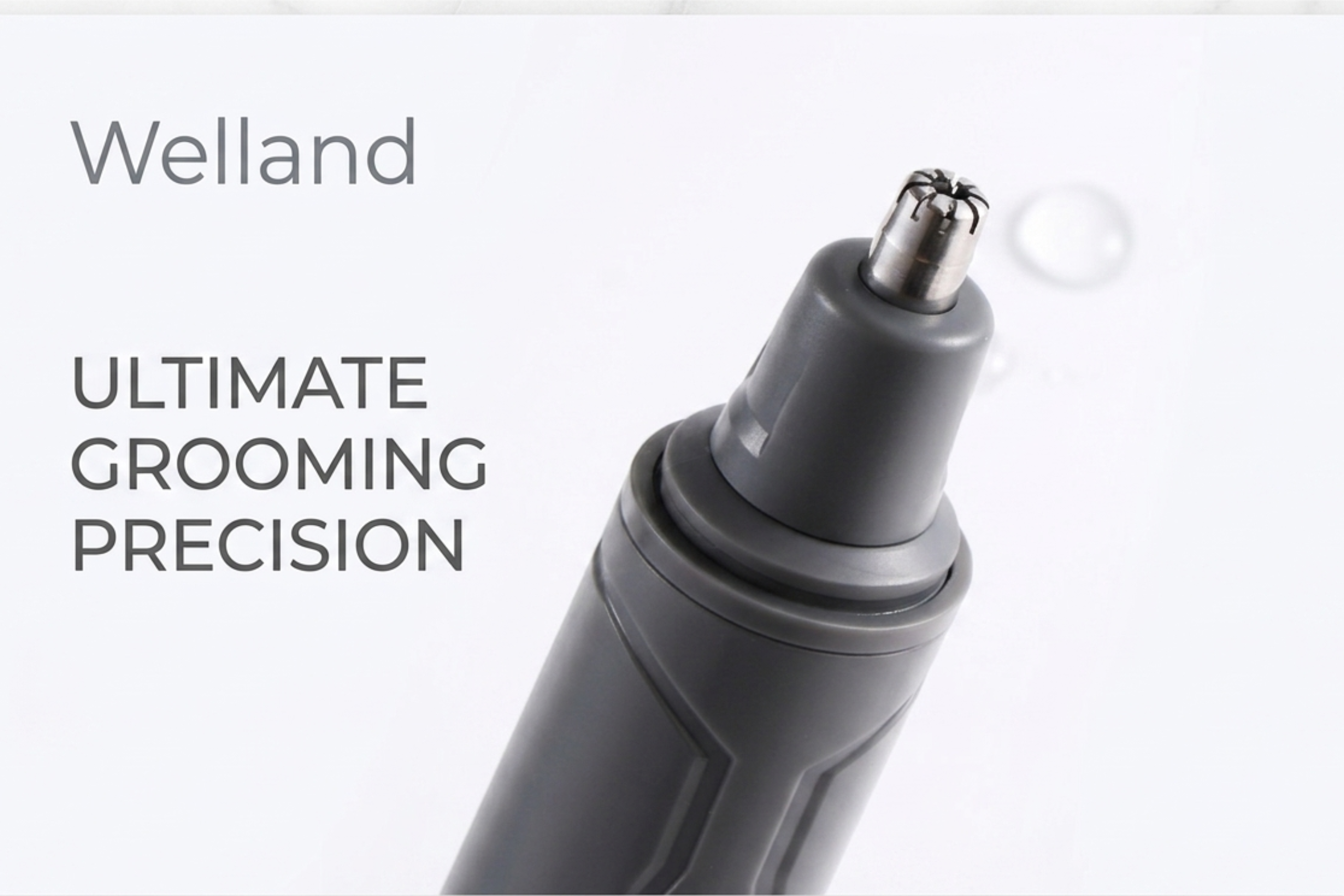
Always keep your clippers clean and sharp. Choose the appropriate attachment based on the area being trimmed. Be patient, especially around sensitive areas like the ears and eyes. If you want a safer choice, try a cordless hair trimmer from WELLAND. Many users say WELLAND makes the best hair trimmer for home use because it is designed with safety in mind.
For brands, retailers, and OEM/ODM partners looking to source reliable hair trimmers that prioritize user safety, WELLAND offers flexible MOQ, private label options, and custom branding — backed by consistent manufacturing quality that holds up across bulk orders.
Remember, hair trimmers are not toys. Use them with care; they are meant to provide safe and smooth haircuts every time. Whether you use electric or cordless clippers, a few minutes of careful operation can save you from pain and medical attention.
Happy and safe haircuts!
Q1: Can hair trimmers cause infections?
Yes, if you accidentally cut yourself and don’t clean the wound, bacteria from the clippers or your skin can cause an infection. Clean your clippers before and after each use. If you cut yourself, wash with soap and water and apply an antibacterial ointment.
Q2: How often should I replace my hair trimmer blades?
This depends on how often you use them. For everyday home use, it’s recommended to replace the blades every 6 to 12 months. Sharp blades make using any electric hair clipper safer and more comfortable.
Q3: Are cordless hair trimmers safer than corded ones?
Generally, yes. Cordless hair clippers avoid the risk of electric shock from damaged cords and the danger of tripping. They also give you more freedom of movement. For many, cordless hair clippers are the safest option for home haircuts.
Q4: Can I use hair trimmers on wet skin?
Only use if the product is labeled as waterproof. Most regular hair clippers are for dry use only. Using them on wet skin increases the risk of electric shock, skin abrasions, and rust. Always read the user manual before using the hair clipper near water.
Q5: What should I do if I accidentally cut myself with the hair trimmer?
First, apply pressure to the wound with a clean cloth to stop the bleeding. If the bleeding does not stop after 10 minutes, or if the wound is deep, seek medical attention. Thoroughly clean the wound and do not use the hair clipper again until the blade is sterilized. For minor cuts, apply an antibacterial ointment and bandage with a small adhesive bandage.
 EN
EN  RU
RU  PT
PT  FR
FR  ES
ES  KO
KO  JA
JA  DE
DE  ZH
ZH