



In today’s era of popular at-home grooming, hair trimmers have become an essential tool for both men and women. Whether it’s shaping hairstyles, styling beards, or trimming split ends, this compact device offers both convenience and cost savings. However, questions like “Does a hair trimmer damage hair?” “Does trimming hair help with hair loss?” and “Does a trimmer hurt?” often raise concerns when using it. In fact, with proper operation, a high-quality hair trimmer not only won’t harm your hair but can also promote healthier hair growth. This article will address all your key questions, explain the working principles of hair trimmers, and provide step-by-step guidelines for safe use, including practical tips on how to use a hair trimmer to cut your hair and how to trim your beard with clippers. By the end of this article, you’ll understand why choosing the right hair trimmer is the key to effortless grooming.

A hair trimmer is an electric grooming tool designed to trim hair to a uniform length. Unlike scissors that require precise hand control, the hair trimmer is equipped with an adjustable blade cover, which can achieve consistent trimming effects and is very suitable for home use. It has a wide range of uses, including cutting hair, shaping beards, trimming body hair, and trimming bangs. Whether you are a novice who wants to know how to cut your own hair with clippers or a seasoned user who wants to improve your skills, a reliable and easy-to-use hair trimmer can make the operation simple.
How does a hair trimmer work? The core working principle of a hair trimmer is to cut hair through a swinging or rotating blade. The blade is driven by a small motor to move forward, backward, or in a circular motion at high speed. Most hair trimmers come with detachable blade combs of different sizes, which determine the length of residual hair after trimming. When you slide the hair trimmer over your hair, the blade comb will lift the hair to the preset height, and the sharp blade will cut it cleanly. The high-quality hair trimmer adopts self grinding high carbon steel blades, which can minimize friction and achieve smooth cutting. This is crucial for avoiding damage to hair trim caused by hair trimmers. Understanding this principle can help dispel rumors about hair trimmers damaging hair.
The short answer is: No, hair trimmers themselves do not damage hair, but improper use or inferior tools are the real culprits. Let’s break through the common misconceptions about whether hair trimmers damage hair one by one:
Hair split ends are caused by damage to hair scales due to high temperatures, chemicals, or rough handling, rather than hair trimmers. A sharp hair trimmer can cleanly cut hair and keep the scales intact. However, blunt blades or excessive pressure can compress and tear hair strands, leading to splitting. To avoid this situation, it is recommended to choose a hair trimmer with durable blades and learn the correct methods. Regularly trimming with high-quality tools can actually reduce the spread of forks by removing damaged parts in advance.
This is a common misconception. Trimming only applies to the hair above the scalp, and the hair follicles that determine hair thickness and texture remain unchanged. Trimming only removes dry and fine split ends of hair, making the newly grown hair look fuller and healthier. The reason why it feels thicker and harder is because the trimmed hair tips are flat and more prominent than the worn split hair tips, but the hair density has not really changed. Trimming will not affect the growth of hair, it will only make it look neater and more shiny.
The pulling sensation is usually caused by dull blades, improper alignment, or tangled hair. Before trimming, be sure to use a comb to comb your hair and untangle any tangles. Choose a blade cover that matches the desired length to avoid forcefully cutting thick hair with a hair trimmer. The hair trimmers of high-end brands adopt ergonomic design, and the blade clearance is precisely calibrated. Even for curly or coarse hard hair, they can move smoothly and prevent pulling. If there is a pulling sensation during use, it indicates that the blade needs to be replaced or the operating skills need to be adjusted, rather than the hair trimmer itself being harmful.

Whether it’s cutting hair or trimming beards, safe use of a hair trimmer is necessary to achieve a non-invasive effect. Please follow the following steps:
Starting with clean and dry hair: Wet hair is heavier and can easily clog the blades, leading to uneven trimming or pulling. Wipe your hair thoroughly with a towel and comb it smoothly to remove tangles.
Choose the appropriate blade cover: For beginners who are asking how to cut their own hair with clippers, it is recommended to start with a longer blade cover to avoid cutting too short at the beginning. Gradually replace the shorter protective cover as needed.
Check the hair trimmer: Ensure that the blades are clean, sharp, and securely installed. Fully charge the device to avoid downtime during the trimming process, which can result in uneven trimming and pulling.
Start with the hair on both sides and the back: Slide the hair trimmer upwards along the direction of hair growth to ensure even trimming. The top of the head can be trimmed forward or backward according to the desired shape.
Slowly and steadily move: Slightly overlap each time you move to avoid gaps. If you are unsure how do i cut my own hair with clippers, it is recommended to start with longer lengths and gradually trim them afterwards.
Trimming the edges: Use a shorter blade cover or no cover to clean the hairline around the ears and neck. Slightly lowering the head during trimming will make the hair trimmer smoother to use.
First, outline the boundaries: use a comb to mark the neckline and cheekbone contours, use a short blade cover to trim the hair below the neckline, and create a neat look.
Gradually adjust the length: Starting from the longer blade guard, gradually replace it to the desired length. Trimming along the direction of beard growth can create fuller beards, while trimming against the direction of beard growth can achieve a more skin friendly effect.
Precise shaping: Use the fine trimming accessories of a hair trimmer to clean the edges of the beard and jawline, avoiding the upper lip area.
Trimming split ends: After trimming, use small scissors to cut off any remaining frizzy ends, which answers the question of how to cut split ends after trimming.
Cleaning hair trimmer: Remove the blade cover and blade, use a brush to remove hair debris, and if it is waterproof, rinse with warm water first. Then apply lubricating oil to keep the blade sharp and prevent rusting.
As mentioned above, wet hair is easily pulled and the trimming effect is uneven. Trimming dry hair allows the blade to slide smoothly, reducing the risk of damage hair trim and splitting. Therefore, please be sure to wait until your hair is completely dry before starting the operation.
Trimming too frequently can take away the natural moisture of hair, leading to dryness. Please follow a fixed cycle: For most hair types, it is recommended to trim every 6-8 weeks or when split ends are found. Excessive pruning will not make hair grow faster, it will only weaken hair health.
Just let the blades of the hair trimmer work naturally. Pressing hard can irritate the scalp, causing uneven trimming and squeezing hair strands. Gently slide the device over the hair and apply minimal pressure to achieve a clean and safe trimming effect.
Blunt blades are the primary cause of hair damage from trimmers. Instead of cutting, they compress the hair, leading to split ends and breakage. It is recommended to replace the blades every 6-12 months, or sooner if pulling or uneven trimming occurs. Sharp blades are essential for safe grooming.
Do not use a beard trimmer to cut long hair, nor do you use a hair trimmer for fine facial grooming. Many high-end brands offer specialized trimmers for different needs, choosing tools designed specifically for your purpose to avoid damage and achieve better results.


Precise rotating blade: Adopting a rotating working mode, the ultra sharp precision grinding blade achieves clean cutting without pulling hair, far superior to inferior swinging blades that are prone to hooking hair.
Compact and portable design: Models such as electric nose hair trimmer with 1 AAA battery are lightweight and compact, suitable for quick trimming when going out. They can also flexibly operate tasks such as trimming beards and hairline, avoiding uneven trimming and scratches.
Durable and customized body: Made of high-quality ABS material, resistant to frequent wear and tear. We provide customized services for colors, logos, and packaging. The blades can maintain their sharpness for a long time without frequent replacement, ensuring a stable user experience when trying them out.
Hygiene and easy maintenance: The blade can prevent bacterial growth (especially important for trimming nose/ear hair), and the tool is easy to clean. The included lubricating oil can keep the blade sharp and avoid hair splitting caused by blunting the blade.
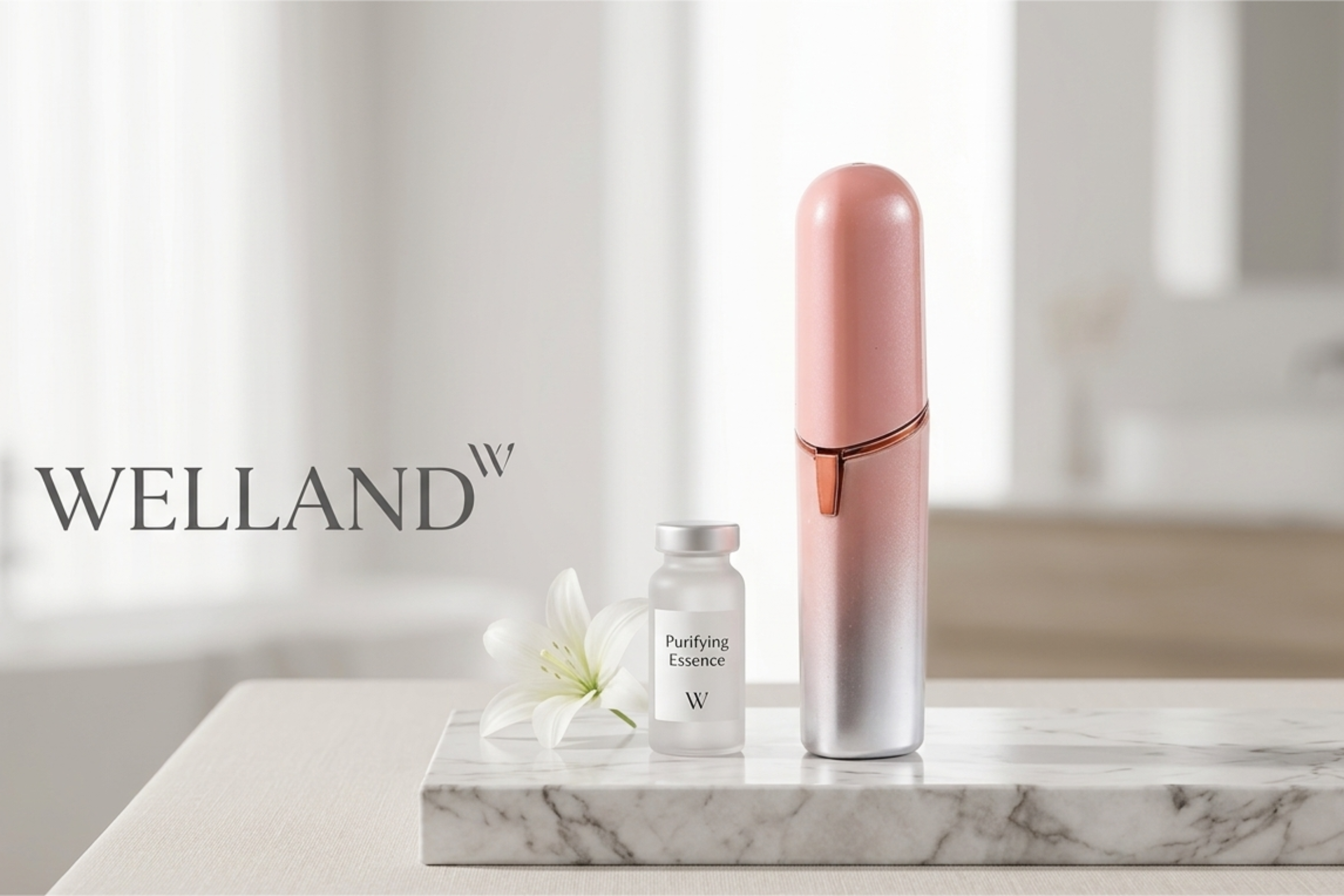
Safety certification and quality assurance: All hair trimmers have passed CE/RoHS certification and come with a 6-month warranty, personally testing product quality. Whether you are a novice or a seasoned user, WELLAND’s hair trimmers can provide gentle and non-destructive trimming effects.
WELLAND‘s hair trimmers combine precision, convenience, and safety. From rotating blade technology to portable design, WELLAND‘s tools can not only answer questions about how hair trimmers work, but also care for hair and scalp.
Hair trimmer is a reliable and convenient tool for home grooming, as long as it is used correctly, it will not damage hair. The key to safe trimming lies in understanding the working principle of hair trimmers, dispelling rumors about whether hair trimmers can damage hair, and following the correct operating techniques, such as preparing hair, choosing appropriate blade covers, and maintenance tools. Remember: Trimming cannot prevent hair loss, but it can reduce hair breakage. Choosing high-quality brands such as WELLAND can ensure a gentle and effective grooming process. Don’t worry about embracing the convenience of home grooming, your hair will thank you for your careful care.
Q1: Does trimmer damage hair if it used on wet hair?
A1: Wet hair is more prone to clumping, leading to uneven trimming, but it will not directly damage the hair. Just make sure the blade is sharp, avoid pulling, and gently pat your hair dry for easy handling.
Q2: When to worry about hair trimmer-related damage?
A2: If you notice excessive split ends, breakage, or scalp irritation after using a trimmer, it’s likely due to dull blades, improper technique, or a low-quality tool. Switch to a reliable trimmer like WELLAND, replace blades, and follow safe trimming steps. If damage persists or hair loss worsens, consult a professional stylist or dermatologist.
Q3: How to use a hair trimmer to cut your own hair? Is there a difference between curling and straightening hair?
A3: There is a difference. Curling hair needs to consider its contractility, and longer protective combs should be used, and it should be trimmed in different zones in a dry state. Straight hair can be trimmed in a dry or slightly damp state for a smoother effect.
Q4: Is there a quick solution for scalp pain when using a hair trimmer?
A4: Yes. Avoid forcefully pressing the hair trimmer, replace with a longer protective comb, and apply mild moisturizing products before trimming. Some high-end brands’ skin friendly blades can also reduce the irritation of sensitive scalp.
Q5: Does trimming split ends with a hair trimmer make hair grow faster?
A5: Trimming will not accelerate hair growth, but it can prevent hair breakage, so natural hair growth will be more pronounced. Regular trimming and proper care can make hair look thicker and healthier.
 EN
EN  RU
RU  PT
PT  FR
FR  ES
ES  KO
KO  JA
JA  DE
DE  ZH
ZH