



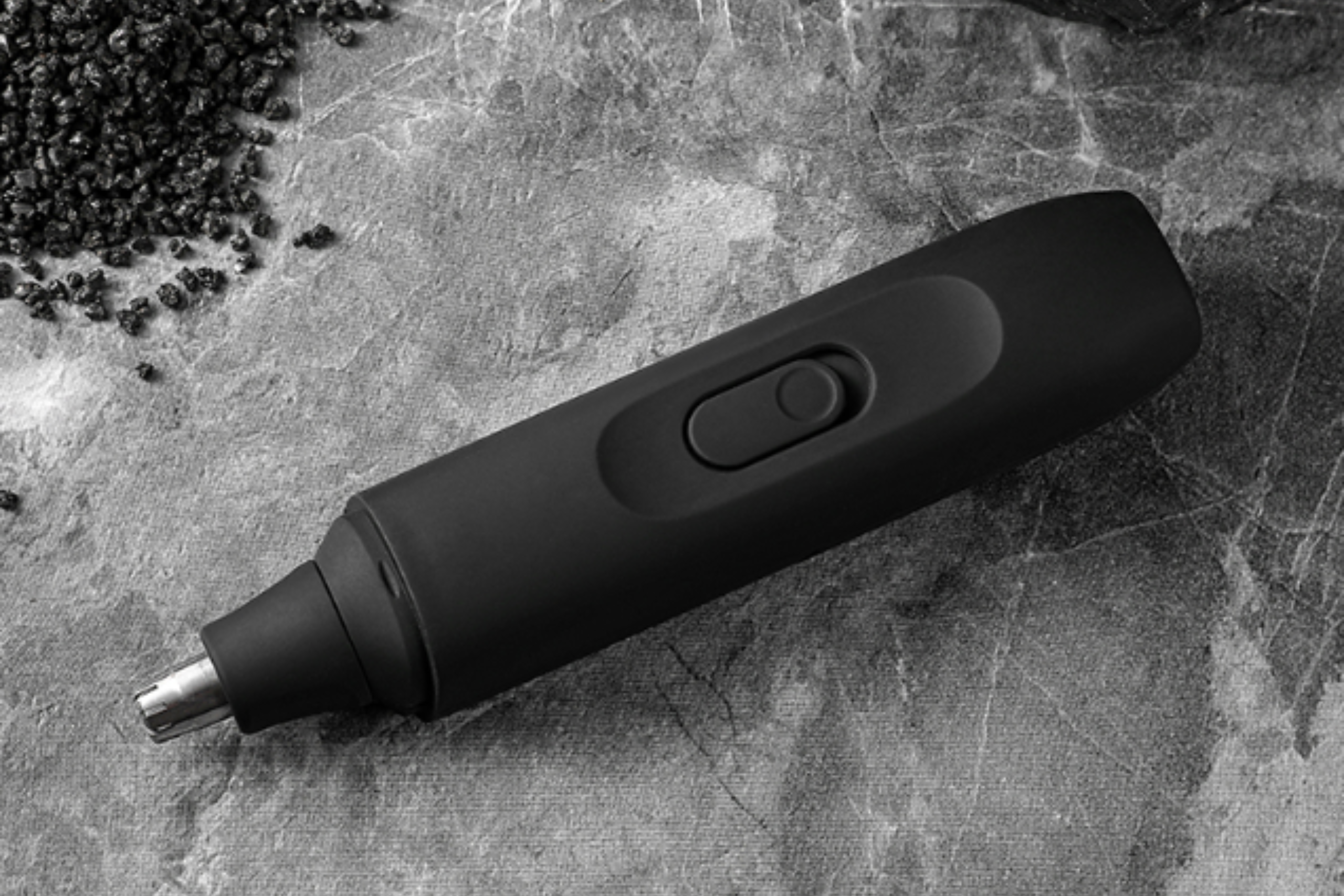
Hair trimmers are arguably an indispensable tool in any personal care kit. Whether you’re using a cordless hair trimmer for a quick trim or a professional-grade hair trimmer clipper for a full haircut, keeping them clean is crucial. However, many users who spend a lot of money on the best hair trimmers on the market suffer premature damage due to neglect.
The two biggest threats to hair clippers are rust and bacteria. Rust reduces the sharpness of the blades, while bacteria can damage and irritate the scalp. This guide will provide you with a comprehensive set of maintenance tips to ensure that whether you own an electric hair trimmer for your face or a dedicated pubic hair trimmer for sensitive areas, it remains hygienic and sharp.

Understanding your enemy is the first step to defeating them.
The Dangers of Rust: Most hair clipper blades are made of stainless steel, but that doesn’t mean they’re rust-proof. If you forget to dry your electric hair trimmer after cleaning it in the bathroom, moisture can seep into the metal components. Over time, the blades will rust, roughening the once-sharp edge and making it easier to pull hair during a haircut.
The dangers of bacteria: After using hair clippers, small amounts of dandruff and other hair particles may remain on the blades, leading to bacterial growth and reproduction over time. Special care is needed when using pubic hair trimmers, as sensitive skin is more easily scratched, potentially causing folliculitis. Unclean blades can directly introduce bacteria into the hair follicles, causing redness and swelling.
Daily quick cleaning is the secret to extending the life of your hair clippers. This is especially important for cordless hair trimmer, as people often toss them into their gym bag or drawer after use.
After using the hair trimmer clipper, please unplug it or remove the batteries immediately. Use the small brush included in the box to remove any dust and hair residue left between the blades. If these impurities are not cleaned regularly, they can clog the clipper and prevent it from working properly.
Unless explicitly instructed by the manufacturer, do not rinse the clippers under running water. The correct method is to spray disinfectant or 70% rubbing alcohol directly onto the blades to kill bacteria immediately. This step is crucial for preventing skin infections, especially for those using pubic hair trimmers. Turn on the electric clippers for a few seconds to allow them to vibrate and remove loose debris.
Wipe the blade assembly with a dry, soft cloth, paying special attention to the crevices. Even high-quality clippers will rust if water remains on the metal surface for an extended period.
Lubrication is key to preventing rust. Apply a drop of clipper oil to the blade and then turn on the clipper. The lubricating oil will spread across the metal surface, forming a protective film to prevent moisture penetration. For a cordless hair trimmer, this also reduces friction, thus lessening the load on the motor and extending battery life.
If you use your hair trimmer clipper frequently, a deep clean once a week can remove buildup of grime that daily cleaning can’t remove.
Consult your user manual to confirm that the blade assembly is removable. Most modern clippers, including many electric hair trimmer, have easily removable blades. This allows you to clean hidden areas where hair and grease residue tend to accumulate.
After removing the blades, soak them in a container of degreasing solution for about 5-10 minutes. This will dissolve some stubborn oil and skin cells. Finally, clean them with a professional hair clipper cleaner, and the blades will be much cleaner.
After removing the blades, inspect them carefully. If the blades are discolored, this may indicate that rust has begun to form. If you are using a pubic hair trimmer, its blades are usually smaller and more fragile, requiring further inspection for bending.
After cleaning the clippers, allow all components to dry completely before reassembling. During installation, ensure the blades are correctly aligned; misaligned blades can pinch the skin, which is extremely dangerous for sensitive areas. A final step is to apply a fresh layer of oil to the blades for lubrication.
How you store your device can have a greater impact on its lifespan than you might think. This is especially important for portable cordless hair trimmer.
While the bathroom might seem like the most logical place to store grooming tools, it’s actually one of the most challenging environments for preserving electronics and metal items. If you frequently take hot showers, do not place the hair trimmer clippers on the bathroom countertop. Bathroom steam is a major cause of rust, store them in a drawer or cabinet outside the bathroom.
The small plastic or silicone protector that comes with your hair clippers isn’t just packaging trash, be sure to use it. It protects the blade from bending and prevents dust from getting onto the oiled blade surface. This protector is especially important for pubic hair trimmers.
Never store your electric hair trimmer away immediately after cleaning. Ensure all parts are completely dry before storing them in an enclosed space. Damp environments easily breed mold and cause rust. Consider storing your hair clippers in a bedroom drawer or gym bag.
While battery maintenance doesn’t directly prevent rust, it’s crucial for cordless hair trimmer. Overcharging generates heat, causing the internal lubricant to dry out. Please follow the manufacturer’s guidelines to keep the battery healthy.
Even with good intentions, some habits can ruin your hair trimmer:
Using WD-40 as a lubricant: WD-40 is a solvent, not a true lubricant. It evaporates, causing the clippers to become dry and noisy. Always use a professional clipper oil.
Ignoring motor vents: Hair can get sucked into the motor vents. Use a brush to clean these vents to prevent hair from getting tangled and causing the motor to overheat.
Over-lubrication: While lubricant is very effective, applying too much can cause dust and hair to attract to the surface, forming a sticky paste that can clog the blade.
Neglecting battery maintenance: Leaving a cordless hair clipper completely drained without recharging can permanently damage the lithium battery. If you find the battery is not charging properly, you may need to have it replaced by a professional or purchase a new device.
Dropping the clipper: Dropping can cause the blades to become misaligned. If your electric clipper has been dropped, check that the blades are aligned before using it again.
Using a pubic hair trimmer on other areas: Although pubic hair trimmers are designed for sensitive skin, using them on dry facial hair without cleaning them first can lead to bacterial infections.
Clean hair trimmers are the foundation of reliable hair-cutting tools. Whether you own a simple cordless hair trimmer for your beard or a pubic hair trimmer for a more precise cut, the maintenance principles are the same. By following daily and weekly maintenance routines, you can not only prevent rust and bacterial growth but also ensure your hair trimmer clippers deliver a smooth and comfortable trim every time.
Take a few minutes to maintain your electric hair trimmers, and they will reward you with years of reliable performance and hygienic safety.
Q1: How often should I oil my hair clipper blades?
A1: You should oil the blades after each use. Oiling is crucial if you’re using a pubic hair trimmer, it keeps the blades smooth and prevents minor cuts.
Q2: Can I use household oil to lubricate my clippers?
Q3: My electric clippers are waterproof, can I wash them?
A3: While they can be washed, it’s not recommended to always use water. Water can push hair deeper into the clippers. The best method is to use a spray cleaner. If you do need to wash them with water, make sure the blades are completely dry afterward and apply oil immediately.
Q4: What’s the difference between a regular hair clipper and a pubic hair trimmer?
A4: Pubic hair trimmers usually come with a rounded head and a specially designed guard to prevent cuts in sensitive, curved areas. However, both types of trimmers require hygienic maintenance.
Q5: How can I tell if my hair clipper blades are dull?
A5: If your hair clippers start pulling at your hair instead of cutting it cleanly while you’re cutting, the blades are dull. This will happen more quickly if they rust due to improper storage.
 EN
EN  RU
RU  PT
PT  FR
FR  ES
ES  KO
KO  JA
JA  DE
DE  ZH
ZH