




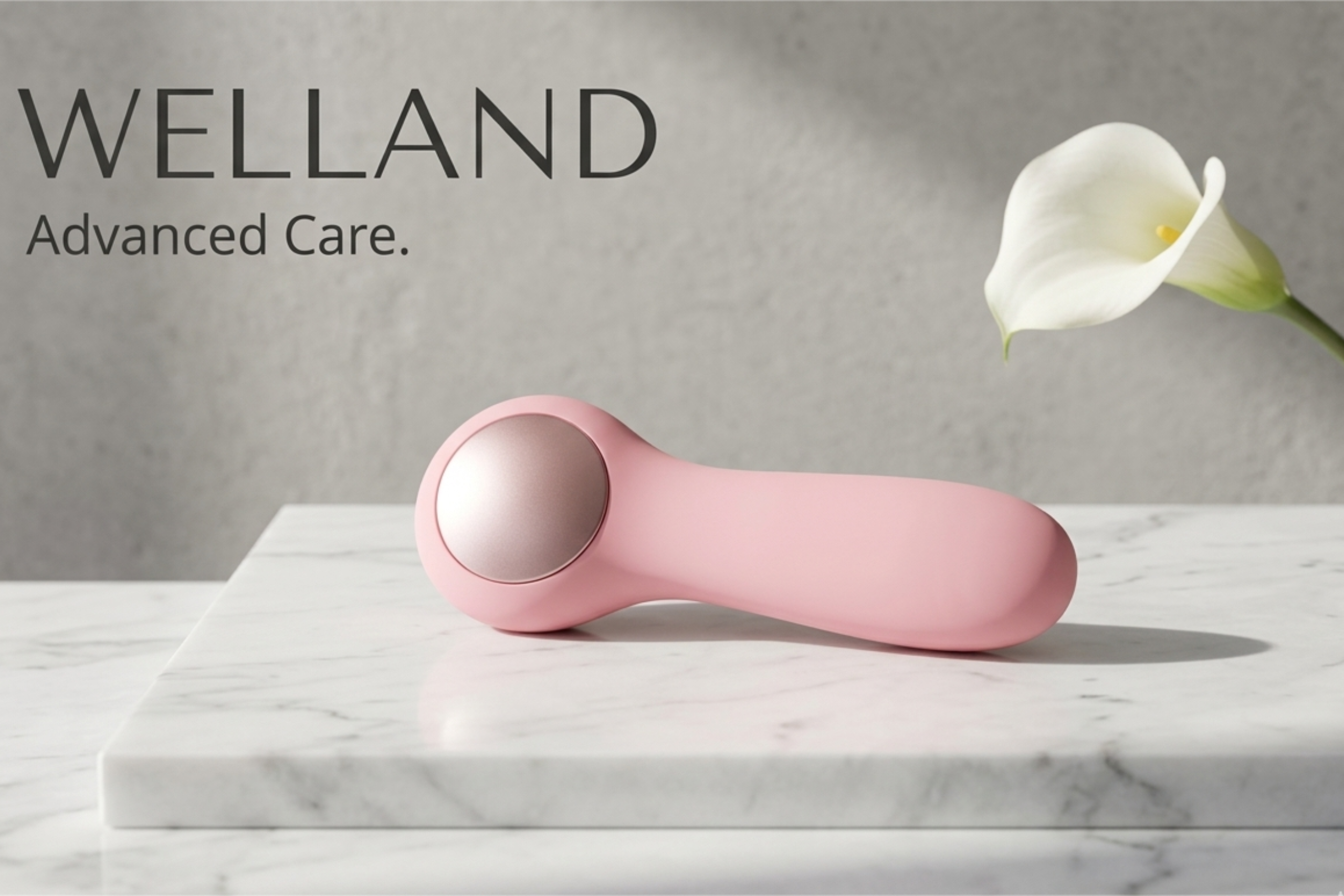
Blackheads are among the most stubborn and frustrating skin concerns. They form deep inside your pores, resist regular cleansers, and often return even after multiple removal attempts. As a result, many skincare enthusiasts are turning to facial cleansing brushes for help. But do facial cleansing brushes really remove blackheads? And more importantly, how do brands like the WELLAND Facial Cleansing Brush enhance the process? Let’s take a closer look at how these tools work, why they are effective, and how to use them correctly to get clearer, smoother, blackhead-free skin with the help of WELLAND.

A facial cleansing brush is a handheld skincare tool designed to deeply cleanse your skin by gently exfoliating the surface and unclogging pores. These brushes can be manual or electric, with soft bristles or silicone touchpoints that help lift away dirt, oil, makeup residue, and dead skin cells more effectively than hands alone. Unlike traditional cleansing methods, facial brushes offer mechanical exfoliation — meaning they physically remove buildup from the skin. When used correctly, they promote smoother skin texture and a brighter complexion.
Here’s the truth: Facial cleansing brushes don’t extract blackheads instantly, but they help prevent and reduce them significantly over time.
Blackheads form when excess sebum and dead skin cells clog your pores. Over time, exposure to air causes these plugs to oxidize and darken. A facial cleansing brush for blackheads helps by keeping pores clean — removing debris and oil before they have a chance to turn into blackheads.
Yes, they do — when used consistently and properly. The gentle exfoliation action of a brush removes surface buildup, minimizes clogged pores, and keeps your skin clear. Combined with a good cleanser, this can reduce the number and appearance of blackheads over time.
However, it’s essential to choose the right type of brush and not overuse it.
This method works because it targets the three causes of blackheads:
Excess oil in pores
Dead skin that traps oil
Surface oxidation
A cleansing brush helps by:
Removing dead skin before it settles
Massaging pores to loosen oil plugs
Enhancing the effectiveness of cleansers
Preventing future buildup through consistent exfoliation
This explains why many people report that facial cleansing brushes remove blackheads more effectively than hands or cloths alone.

This expanded routine focuses specifically on removing and preventing blackheads using a cleansing brush. It follows dermatologist-recommended pore-care flow and provides exact timing, pressure, and technique.
Wash your hands. Prevents unwanted bacteria from spreading to your face.
Remove makeup thoroughly. A brush is for cleansing, not makeup breakdown.
Wet your face with lukewarm water. Softens oil and loosens compacted debris inside pores.
Use a gentle, non-abrasive cleanser. Avoid harsh scrubs or high-acid cleansers during brushing days.
Put a pea-sized amount of gentle cleanser directly onto the brush head, or lather it in your hands first.
For a double-sided facial cleansing brush, begin with the bristle side for deep cleansing.
Turn the brush on its lowest setting (for electric models).
Use gentle, tight circular motions for 8–10 seconds total.
The purpose is to warm the surface and activate circulation—this prepares pores for deeper blackhead work on the T-zone.
This is where proper technique matters most.
How to brush the nose to remove blackheads:
Keep the brush at a 45–60° angle, not flat—this improves contact with the sides of the nose.
Glide the brush in small circles along:
Nasal bridge (5–7 seconds)
Sidewalls of the nose (7–10 seconds per side)
Nose tip and crease area (5–8 seconds)
Move slowly enough that the bristles/silicone tips have time to lift oxidation and oil plugs.
Do not press the brush into pores — this causes irritation, not deeper cleaning.
Total nose time: 20–30 seconds.
Blackheads also form along the chin and lower lip line.
Use small circular motions for 8–12 seconds.
Spend extra time in the center of the chin, where pores are deeper.
Cheeks produce less oil, so overworking them can cause redness.
Use the brush for 5–8 seconds per cheek with very light pressure.
This step helps remove dead skin that can contribute to clogged pores.
The silicone side enhances pore work without being abrasive.
Use it for:
Gentle pore lifting
A final pass on the nose/ chin
Stimulating blood circulation
Routine:
Nose: 5–8 seconds
Chin: 5 seconds
Forehead: 3–5 seconds
Cheeks: 3 seconds each
This step helps loosen remaining buildup and prevents future blackheads by improving skin turnover.
Use lukewarm water to remove all traces of cleanser, sebum, and debris lifted by the brush.
Incomplete rinsing can cause new clogs.
Use a clean towel.
Avoid rubbing, which can irritate freshly cleansed pores.
For best results:
Use a hydrating toner to balance the skin.
Apply a non-comedogenic moisturizer to support the skin barrier.
Optional (HIGHLY effective):
Use a low-strength BHA (salicylic acid) 1–2 hours later or on alternate nights.
BHA penetrates into pores and dissolves remaining sebum plugs.
Do not use strong acids immediately after brushing—alternate days are safer.
Absolutely. Oily skin tends to produce excess sebum, which increases the chance of clogged pores. A facial cleansing brush for blackheads helps exfoliate more thoroughly than hands alone, making it especially beneficial for oily or combination skin types.
This depends on your skin type. Many people ask, “Is it good to use a facial cleansing brush every day?”
Oily/combination skin: Daily use may be fine.
Dry/sensitive skin: 2–4 times per week is usually enough.
Modern tools like the WELLAND Facial Cleansing Brush are designed to be gentle, but it’s still best to start slowly and observe how your skin responses.
Most users notice smoother skin and fewer blackheads in 1–2 weeks of consistent use. Deep-rooted blackheads may take longer, but improved skin texture and clearer pores are common early results.
So, do facial cleansing brushes remove blackheads?
Absolutely — when used the right way. While they don’t extract blackheads instantly, they’re powerful tools for deep cleansing, exfoliation, and blackhead prevention. If you’re serious about clearer, smoother, and healthier-looking skin, it’s time to upgrade your skincare routine with the WELLAND Facial Cleansing Brush. Experience deep pore cleansing and long-lasting radiance — try the WELLAND Facial Cleansing Brush today!
 EN
EN  RU
RU  PT
PT  FR
FR  ES
ES  KO
KO  JA
JA  DE
DE  ZH
ZH