



Many people want better oral care but feel unsure about one simple question: how often should you water floss? Some people use it once a day, some twice, and some only when food gets stuck. Because water flossing feels gentle and easy, many everyday consumers-and people with braces, implants, or sensitive gums-want to know the right frequency. This guide explains how often dentists recommend using a water flosser, why frequency matters, and how you can build your own routine for a healthier smile.
Plaque begins forming again on your teeth within 24 hours. This means your cleaning routine plays a direct role in preventing gum problems, bad breath, and early signs of decay. Water flossing is simple and comfortable, but using it at the right times makes it far more effective. A good routine also helps people with special oral conditions, such as braces or gum disease, keep their mouth clean with less effort.

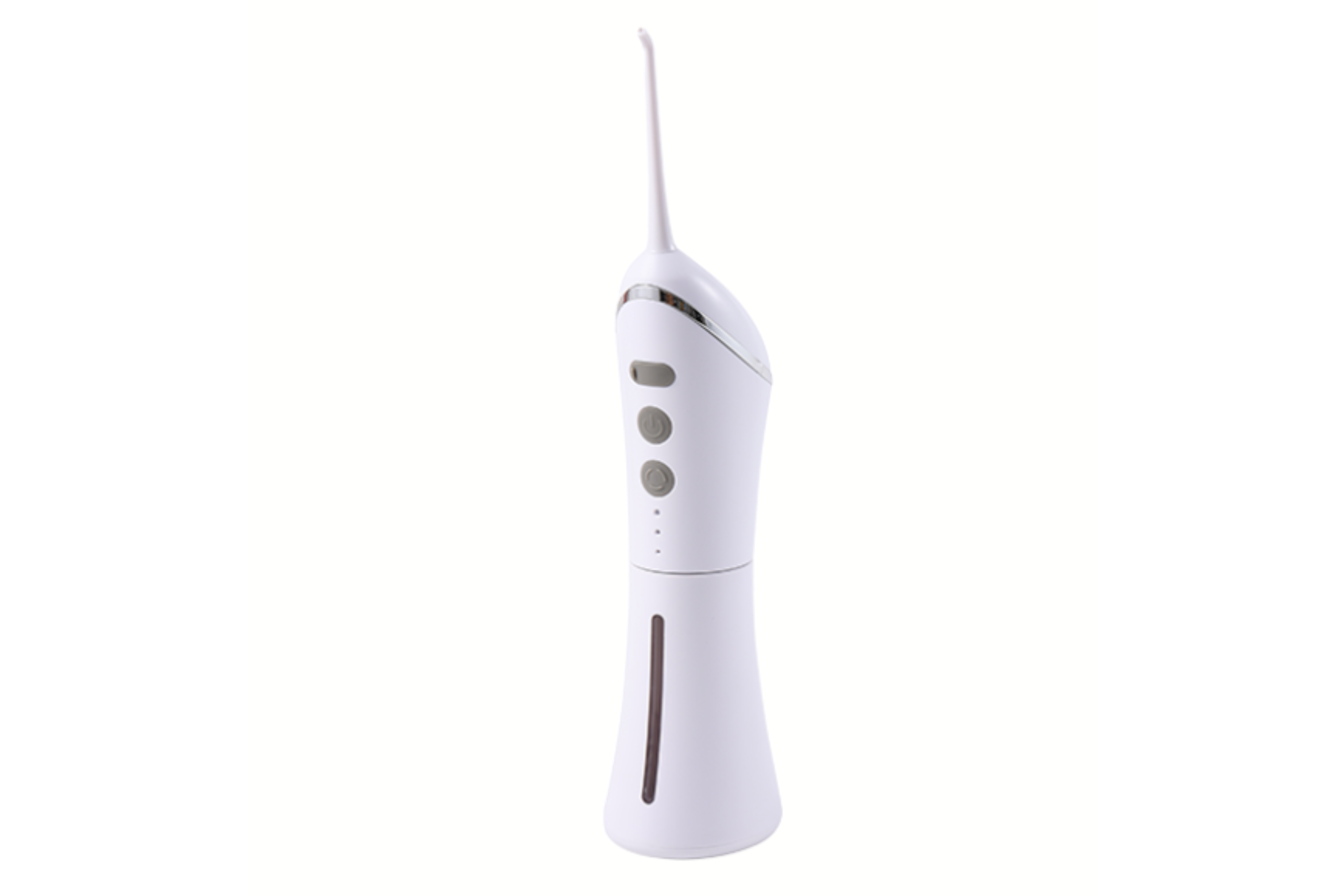
A water flosser uses a steady, pressurized stream of water to clean between your teeth and along the gumline. Instead of scraping like traditional floss, the water removes food debris, plaque, and bacteria through gentle pulses. This makes it helpful for people who struggle with string floss, have sensitive gums, or wear dental work that is difficult to clean. Studies also show that water flossing can reduce gingivitis and bleeding more effectively when used consistently.
| Category | How Often to Water Floss | Why This Frequency Works |
| 3.1 Standard Advice for Most People | Once per day | Removes daily plaque buildup, keeps gums healthy, follows ADA recommendations. Best done at night for a complete clean. |
| 3.2 Twice a Day for Better Results | Morning + night | Offers deeper cleaning for people who snack often, build plaque quickly, or want stronger gum protection. |
| 3.3 After Meals for Debris Removal | Quick rinse when food gets stuck | Helps remove trapped food (spinach, popcorn, meat), prevents irritation, and maintains comfort. Use low pressure for fast touch-up. |
| 3.4 Special Situations Requiring More Frequent Use | 1–2 full sessions + optional post-meal rinse | Needed for specific oral conditions that trap more bacteria or require extra care. See details below. |
| 3.4.1 Braces & Orthodontic Appliances | Twice daily + after sticky meals | Cleans around brackets/wires, reduces risk of white spots and decay. |
| 3.4.2 Implants, Bridges, or Crowns | Once–twice daily | Prevents plaque buildup around dental work and reduces inflammation risk. |
| 3.4.3 Gum Disease or Gingivitis | 2–3 times daily (gentle pressure) | Helps remove bacteria from gum pockets and supports healing. |
| 3.4.4 Dry Mouth (Low Saliva Flow) | 1–2 times daily + optional rinse | Saliva is low, so bacteria grow faster. Extra rinsing keeps the mouth cleaner. |
Dentists follow one simple rule: at least once per day. But depending on your needs, you may benefit from water flossing more often.
For the average person, water flossing once every day is enough to keep plaque under control. Many people prefer doing it at night, because it clears away everything that built up during the day and prepares your teeth for overnight rest.
Water flossing twice daily, morning and night, offers cleaner results, especially if you eat often, snack throughout the day, or have areas where plaque builds up easily. This routine also helps keep gums healthier, especially for people who are trying to reduce inflammation or tenderness.
Some foods get stuck easily, such as spinach, popcorn, meat fibers, nuts, and sticky sweets. When this happens, a short session after eating helps remove the trapped pieces quickly.
This is not a full flossing session, just a gentle rinse using low pressure. It is helpful for comfort and prevents irritation between teeth.

Some people benefit from more than one daily session because their oral situation makes cleaning harder.
Food always gets stuck around brackets and wires. Water flossing twice a day—or after meals—helps prevent cavities and white spots around the braces.
Plaque around implants can cause inflammation. Water flossing more often keeps the area cleaner and reduces the risk of peri-implant gum problems.
Dentists may recommend using a water flosser more than once per day until inflammation improves. Gentle pressure is important when gums are sensitive.
People with dry mouth build plaque faster because saliva usually protects the teeth. More frequent water flossing helps flush away bacteria throughout the day.
Water flossing is gentle, but overusing it at high pressure can irritate your gums or disturb dental work. If you water floss several times a day with strong pressure, you may feel soreness or see bleeding. Plaque does not return within minutes, so there is no need to water floss constantly. If irritation continues, lowering the pressure or adjusting your routine is a better solution.
Most full sessions take around one to two minutes. Move slowly along the gumline, pausing slightly between each tooth so the water can wash away debris. For quick post-meal rinses, 20–40 seconds is usually enough. Warm water can feel more comfortable for people with sensitive gums.
Start on the lowest pressure setting, especially if you are new to water flossing. Hold the tip at a slight angle toward the gumline and let the water do the work. With time, you can increase pressure based on comfort. Pairing water flossing with brushing makes your routine more effective. Flossing removes the debris, and brushing takes care of the remaining plaque.
If your current flosser feels too weak, too loud, or too hard to control, it may be harder to stay consistent. A good water flosser should be comfortable to use every day, offer adjustable pressure, and have a design that fits your lifestyle. Upgrading to a better device makes it easier to follow a routine, especially for people who travel often or have special cleaning needs. When a product works smoothly, daily flossing becomes something you actually want to maintain.
Most people only need to water floss once a day, but twice a day creates even better results. People with braces, implants, gum disease, or dry mouth may need more frequent sessions. The key is consistency-regular water flossing helps prevent plaque buildup, protect your gums, and keep your smile healthy. Finding the right routine, along with the right water flosser, can make oral care easier and more effective. Once you feel the difference a proper routine makes, it becomes a simple habit that benefits your mouth every day.
 EN
EN  RU
RU  PT
PT  FR
FR  ES
ES  KO
KO  JA
JA  DE
DE  ZH
ZH