




Nose hair is something most people do not think about until it becomes visible. When that happens, the first reaction is often to remove it completely. This is where problems begin. Nose hair length matters much more than appearance alone. It plays a real role in protecting your health.
Many people trim nose hair too short because they want a clean look. Others are unsure what the right length for nose hair actually is. This confusion leads to irritation, infections, and discomfort that could easily be avoided.
This article explains why nose hair exists, how short is too short, what length doctors generally recommend, and how to trim safely using the right tools.
Before discussing trimming, it is important to understand the function of nose hair. Nose hair is not useless. It is part of your body’s natural defense system.
Nose hair filters dust, pollen, bacteria, and other small particles before they enter your lungs. It also helps keep moisture inside your nasal passages. This moisture protects sensitive tissue from drying out and cracking.
When nose hair trimming removes too much hair, the nose loses this protection. This can make you more sensitive to allergens, dry air, and infections.
| Nose Hair Length | Safety Level | What It Means for Your Health |
| Completely removed or shaved | Not safe | Removes natural protection and increases the risk of irritation, infection, dryness, and nosebleeds. |
| Trimmed flush with the skin | Not recommended | Exposes sensitive nasal tissue and may cause itching, soreness, or bacterial entry. |
| Trimmed slightly below the nostril edge | Safe and recommended | Keeps hair invisible while maintaining protection and moisture inside the nose. |
| Naturally lining the nostril entrance | Ideal length | Filters dust and allergens while supporting healthy nasal function. |
| Clearly visible outside the nostrils | Needs trimming | Aesthetic concern only. Trim gently without cutting too short. |
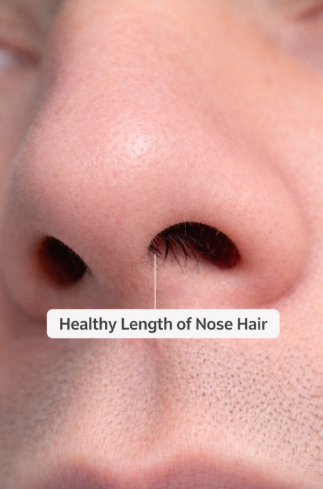
The short answer is this. If nose hair is trimmed so short that it no longer lines the entrance of the nostril, it is too short.
Nose hair should never be shaved down to the skin. Removing hair completely exposes delicate tissue inside the nose. This increases the risk of irritation, nosebleeds, and bacterial infections.
Doctors generally agree that trimming should only reduce visible hair, not remove it entirely. The goal is control, not removal.
The right length for nose hair is long enough to stay just inside the nostril and short enough to not be visible from the outside.
You should not see nose hair when looking straight into the mirror. At the same time, you should still feel light hair lining the nasal opening. This balance keeps your nose protected while maintaining a neat appearance.
Using an electric trimmer designed for nose hair helps maintain this ideal length. Welland electric nose hair trimmers are designed to trim evenly without cutting hair too close to the skin. Their rotary cutting system limits over trimming and reduces direct blade contact with sensitive areas.
Trimming nose hair too short can cause several issues. The most common problem is irritation. The inside of the nose is sensitive. When hair is cut too close, the skin can feel itchy or sore.
Another risk is infection. Small cuts inside the nose can allow bacteria to enter. This may lead to painful nasal infections.
Some people also experience increased sneezing or dryness after aggressive trimming. This happens because the nose loses its ability to trap particles and maintain moisture.
This is why nose hair trimming length matters. Shorter is not always better.
One common mistake is using scissors or razors. These tools are not designed for the nose. They can cut skin easily and remove too much hair.
Another mistake is trimming too often. Nose hair does not need daily trimming. Over trimming weakens natural protection.
Many people also insert tools too deep into the nostril. Only the hair near the opening should be trimmed. Anything deeper should be left alone.
| Trimming Method | Doctor Recommendation | Why It Is Considered Safe or Unsafe |
| Electric nose hair trimmer | Strongly recommended | Designed with rounded tips and enclosed blades to control length without cutting skin or trimming too short. |
| Blunt-tip scissors | Acceptable with caution | Can trim visible hair only, but requires steady hands and careful control to avoid cuts or over-trimming. |
| Standard scissors or razors | Not recommended | Sharp edges increase the risk of cuts, irritation, and removing hair too close to the skin. |
| Plucking nose hair | Strongly discouraged | Pulling hair out can cause bleeding, infection, and damage to hair follicles. |
| Waxing or chemical hair removal | Not recommended | Can irritate nasal tissue and increase the risk of burns or infections. |
Doctors recommend trimming nose hair carefully and conservatively. The safest approach is to trim only visible hair at the nostril entrance.
Electric nose hair trimmers are designed specifically for this task. They use rounded tips and enclosed blades to reduce the risk of cuts.
Welland electric nose trimmers use a rotary working mode that trims hair evenly from all angles without pulling. Many models include washable and removable trimmer heads, making hygiene easy to maintain.
Some Welland models also include LED lighting, which helps users clearly see what they are trimming and avoid cutting too much hair.

Manual trimming can be acceptable if done carefully. Only blunt tip scissors should be used, and only for visible hair.
Never use sharp scissors or razors inside the nose. Never cut hair flush with the skin.
Manual trimming should be occasional, not routine. Electric trimmers are more consistent and safer for regular grooming.
Most people only need to trim nose hair once every one to two weeks. Growth rate varies by age and genetics.
If hair becomes visible again, a light trim is enough. There is no benefit to trimming more frequently.
Using an electric trimmer allows better control over frequency and length. Battery powered Welland nose hair trimmers are portable and convenient, making quick touch ups easy without over trimming.
Certain people should be more cautious with nose hair trimming. People with allergies should avoid trimming too short, as nose hair helps block allergens. Removing too much hair may worsen symptoms. Older adults may have more sensitive nasal tissue. Gentle trimming with low pressure tools is important. Health conscious users should also be careful not to damage skin, as healing may take longer. For these groups, controlled trimming with a dedicated electric nose hair trimmer is strongly recommended.
So how short is too short. Nose hair should never be removed completely. The right length for nose hair is short enough to stay invisible and long enough to protect your health.
Aggressive trimming causes irritation, dryness, and infection risk. Gentle trimming maintains hygiene without harming natural defenses.
Electric nose hair trimmers offer the safest and most effective way to control length. Welland nose hair trimmers are designed with enclosed blades, rotary cutting systems, and user-friendly features that support safe grooming without over trimming.
When it comes to grooming, balance is key. Trim with care, maintain the right length, and let your body keep doing what it is designed to do.
Q1: How short is too short when trimming nose hair?
A1: Nose hair is too short if it is trimmed flush with the skin or completely removed. Hair should still line the nostril entrance to protect against dust, bacteria, and dryness.
Q2: What is the right length for nose hair?
A2: The right length for nose hair is short enough to stay invisible from the outside, but long enough to remain inside the nostril opening and provide natural protection.
Q3: Is it safe to trim nose hair regularly?
A3: Yes. Regular trimming is safe when done gently and not too frequently. Most people only need to trim nose hair once every one to two weeks.
Q4: Can trimming nose hair too short cause health problems?
A4: Yes. Over-trimming can cause dryness, itching, nosebleeds, and a higher risk of bacterial infection inside the nose.
 EN
EN  RU
RU  PT
PT  FR
FR  ES
ES  KO
KO  JA
JA  DE
DE  ZH
ZH