



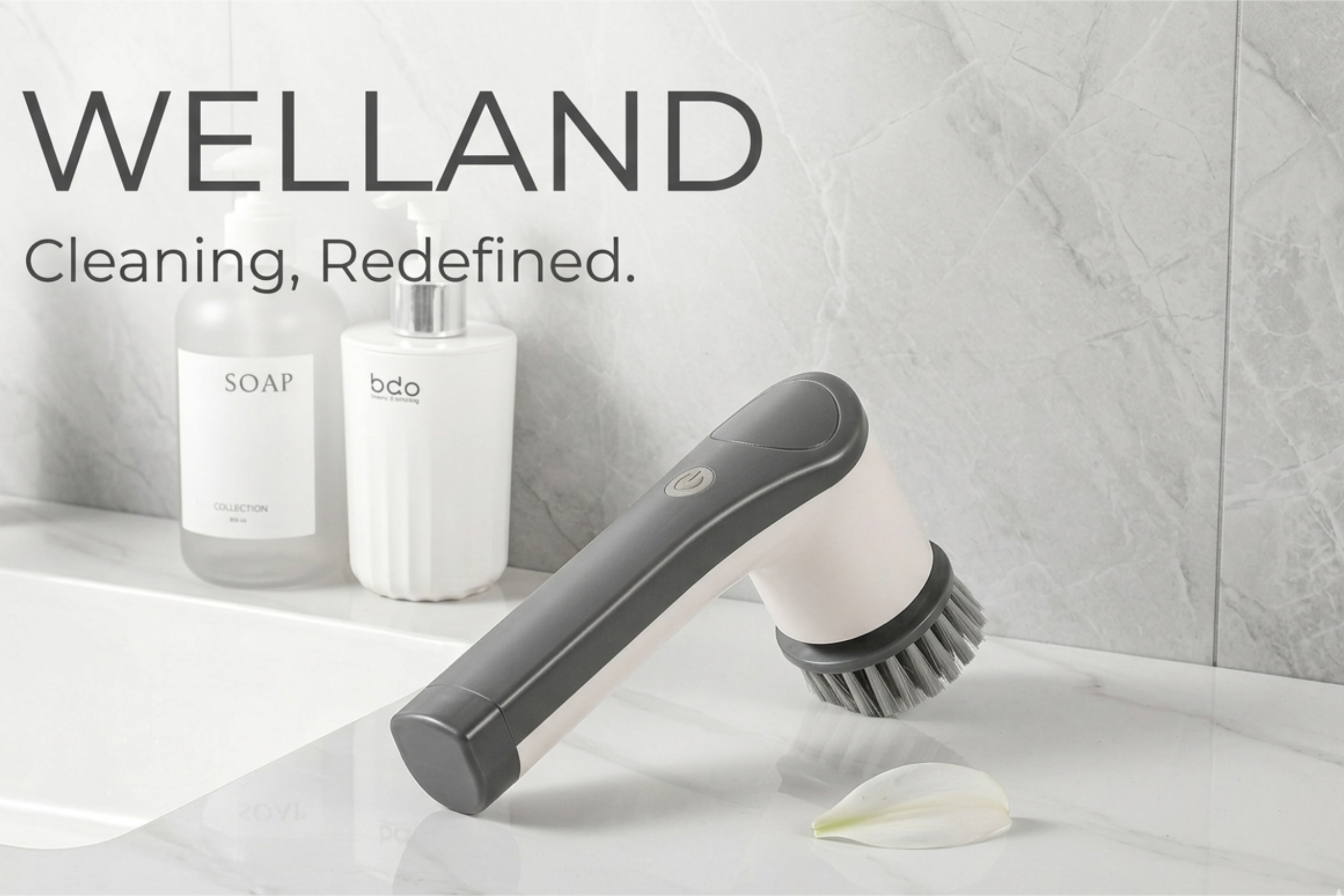
You invested in an Electric Cleaning Brush to tackle tough grime and make household chores less of a workout. It’s a game-changer for scrubbing grout, tiles, and fixtures, right? But like any high-performance tool, neglecting it leads to a shorter lifespan, reduced power, and ultimately, wasted money. Don’t let your investment fade away due to poor upkeep. A few simple steps in electric brush maintenance can keep your device spinning powerfully for years. Whether you own a robust Welland Electric Cleaning Brush or another model, this guide will show you exactly how to care for it and maximize its performance.
Before diving into the “how-to,” it’s important to understand the “why.” An electric cleaning brush operates in wet, dirty environments. Without proper care, soap scum, hard water deposits, and grime build up inside the mechanism and on the bristles. This buildup causes the motor to work harder, drains the battery faster, and turns your cleaning tool into a breeding ground for bacteria. Proper electric brush care isn’t just about longevity; it’s about hygiene and efficiency.
The secret to a long-lasting device lies in routine cleaning after every heavy use.
The most critical step in cleaning electric brush heads is what you do immediately after the job is done. Never let dirty water or cleaning agents dry on the bristles.
While the brush is still attached, run it under warm, clean water.
Turn it on for 5-10 seconds to spin out trapped debris.
Shake off excess water.
Once a week, or after particularly particularly messy jobs, the brush heads need a deeper clean to remove unseen bacteria. Soak the detachable heads in a bowl of warm water mixed with a mild antibacterial soap or white vinegar for 15–20 minutes. Rinse thoroughly and allow them to air dry completely before reattaching them.

While the brush heads handle the dirt, the main body houses the expensive motor and battery. You need to protect electric brush internal components rigorously.
Most quality devices, like the Welland Electric Cleaning Brush, are highly water-resistant (often rated IPX7). This means they can handle splashes and brief submersion. However, they are not designed to sit at the bottom of a filled bathtub for hours.
Never submerge the charging port if it is exposed.
Wipe down the main handle with a damp cloth after use to remove chemical residue that might degrade the plastic casing over time.
Modern lithium-ion batteries prefer partial charges over draining completely to zero. To maximize battery life:
Don’t leave the brush charging indefinitely after it hits 100%.
Ensure the charging port and contacts are completely dry before plugging it in. Corrosion on charging contacts is a common killer of electric tools.
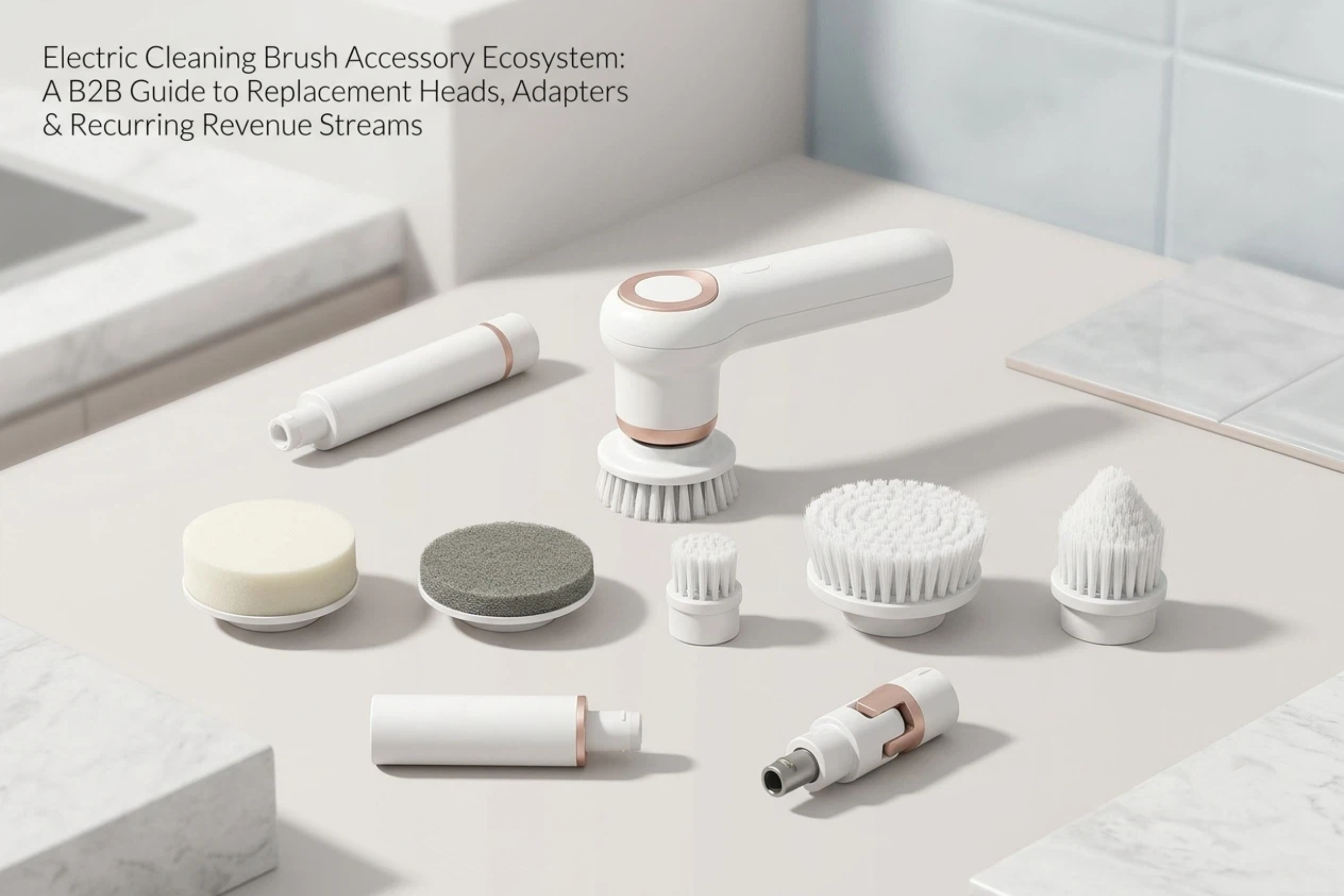
Improperly attaching or removing heads can damage the connection point to the motor shaft.
If you are wondering about the best way regarding the electric cleaning brush how to remove brush heads question, the answer is gentleness.
Don’t Force It: Most brushes use a snap-on or twist-lock mechanism. Follow the arrows on your specific model. Never yank it at an angle.
Air Dry Separately: Store the brush heads detached from the main unit. This allows airflow to the connection point, preventing mold growth inside the socket.


Taking care of your cleaning tools is just as important as doing the cleaning itself. By following these simple tips—rinsing after use, deep cleaning weekly, protecting the battery, and handling attachments gently—you can significantly extend the life of your device. A well-maintained Electric Cleaning Brush will ensure that when you are ready to tackle a tough mess, your tool is ready too.
Keep Cleaning Smarter with Welland
At Welland, we design our products for durability, but a little care goes a long way. If your current bristles are looking worn out, don’t push your motor to the limit. Browse our range of replacement heads and keep your Welland Electric Cleaning Brush running like new.
Q1. How often do I need to replace the brush heads?
A:Generally, you should replace the brush heads every 3 to 4 months, similar to a toothbrush. If you notice the bristles are splayed outwards, it’s time to replace them immediately, as worn bristles make the motor work harder.
Q2. Can I use bleach to clean the brush heads?
A:It is not recommended. Harsh chemicals like bleach can degrade the plastic bristles and the base of the attachment over time. Stick to mild soap or white vinegar for safer disinfection.
Q3. My electric cleaning brush, how to remove brush heads that seem stuck?
A:If a head is stuck, it is likely due to dried grime. Soak the connection area in warm, soapy water for 10 minutes to loosen the buildup. Then, try gently twisting and pulling straight off. Do not use pliers, as this may crush the plastic connector.
Q4. Why does my brush seem to lose power quickly even after charging? A:This could be due to friction caused by buildup. Try deep cleaning the connection point between the head and the main body. If it’s an older unit, the rechargeable battery may be reaching the end of its natural lifecycle.
Q5. Is the Welland Electric Cleaning Brush completely waterproof?
A:The Welland Electric Cleaning Brush is rated IPX7 waterproof, meaning it withstands powerful water jets and temporary submersion up to 1 meter for 30 minutes. It is perfect for showers and tubs, but we recommend against leaving it submerged for prolonged periods to ensure maximum longevity.
 EN
EN  RU
RU  PT
PT  FR
FR  ES
ES  KO
KO  JA
JA  DE
DE  ZH
ZH