



Braces can make it challenging to keep your teeth clean. Food particles and plaque easily get trapped around wires and brackets, increasing the risk of cavities and gum disease. Traditional flossing often feels time-consuming and uncomfortable — that’s where a water flosser comes in.
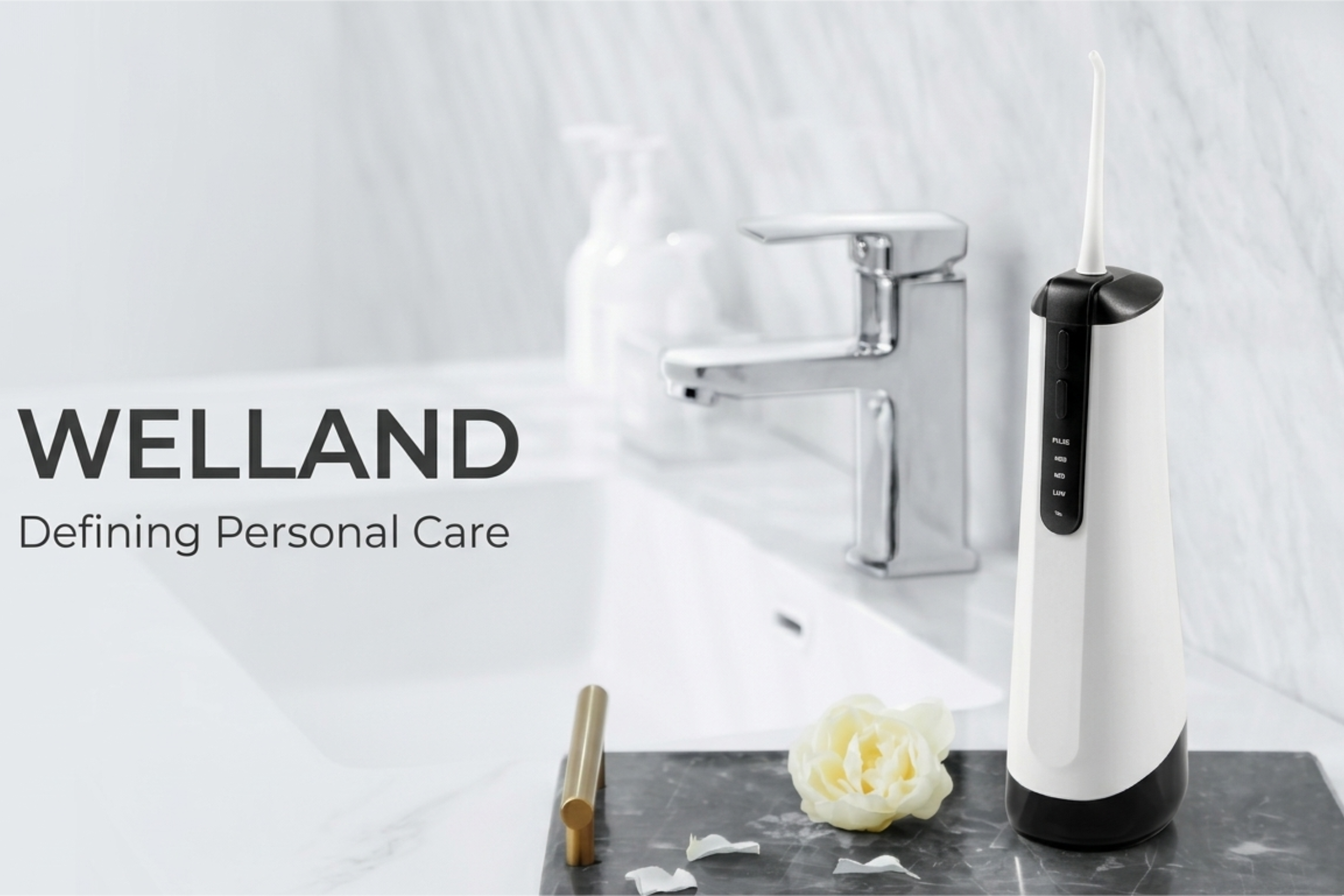
If you’re wondering “Can you use a water flosser with braces?”, the answer is a definite yes! A WELLAND Water Flosser uses a powerful yet gentle stream of water to remove plaque and debris from hard-to-reach areas, making it a must-have for anyone with orthodontic treatment. This guide will show you how to use a water flosser with braces effectively to maintain a clean, healthy smile.

Wearing braces makes oral care more complicated — but also more important. Food particles can easily get stuck between brackets, wires, and teeth. Without proper cleaning, this buildup can lead to:
Plaque and tartar accumulation
Tooth discoloration and white spots
Gum inflammation or bleeding
Bad breath (halitosis)
Regular brushing and flossing alone may not be enough. That’s why dentists often recommend using a water flosser with braces for a deeper and more efficient clean.
Absolutely. A water flosser is one of the most effective tools for people with braces. It helps you clean areas that traditional floss cannot reach and keeps your gums healthy throughout orthodontic treatment.
Removes trapped food particles easily
The pressurized water stream dislodges debris from around brackets and under wires.
Studies show that water flossers remove up to 99.9% of plaque from treated areas, helping prevent decay and gingivitis.
The WELLAND Water Flosser is designed to deliver a powerful yet gentle cleaning experience that won’t damage your braces or irritate your gums.
Regular water flossing stimulates circulation and reduces inflammation, leading to healthier gums.
Yes — both Waterpik and WELLAND Water Flosser devices are perfectly safe and effective for orthodontic users. The key is to use the orthodontic tip water flosser, which is specially designed for cleaning around brackets and wires.
The WELLAND water flosser with orthodontic tip uses a narrow jet of pulsating water to reach deep between teeth, remove plaque around braces, and gently clean below the gumline.
If you’ve ever asked, “Can you use a water flosser with braces?” — the answer is not only yes, but it’s also one of the best tools you can add to your daily oral care routine.
Fill the tank with lukewarm water — warm water feels more comfortable on sensitive gums and helps dissolve stuck food particles more easily.
Attach the orthodontic tip (or plaque seeker tip) to your WELLAND Water Flosser. This specialized nozzle is designed for cleaning around braces and orthodontic wires.
Start with a low-pressure setting if you’re new to using a water flosser. As you get comfortable, gradually increase the intensity for deeper cleaning.
Lean forward over the sink to avoid splashing water everywhere. Keep your mouth slightly open to let water flow out naturally.
Turn on the device and aim the water stream:
At a 90° angle toward the gumline.
Move systematically along your teeth and braces, focusing on each bracket and wire.
Spend about 2–3 seconds per tooth, especially where food tends to get trapped.
Gently guide the stream between teeth, under wires, and around brackets. The pulsating water will flush out debris that brushing may have missed.
After flossing, rinse your mouth with clean water or mouthwash to remove any loosened particles. Then clean and dry your WELLAND water flosser to keep it hygienic for next use.
Yes! Daily use is safe and recommended. Regular water flossing helps prevent plaque buildup and keeps gums healthy during orthodontic treatment.
For most orthodontic patients, yes. It’s faster, easier, and more effective at cleaning around wires and brackets without discomfort.
No. A water flosser complements brushing but doesn’t replace it. Brush twice a day and use the water flosser afterward for best results.
About 1–2 minutes per session is enough to clean all areas thoroughly.
Maintaining clean braces doesn’t have to be difficult. With the right technique and the right tool — the WELLAND Water Flosser — you can keep your teeth and gums in top condition throughout your orthodontic journey.
This powerful yet gentle device makes cleaning around brackets and wires simple, comfortable, and effective. Designed by WELLAND, a trusted name in personal care innovation, it’s the perfect solution for anyone looking to improve oral hygiene and achieve a confident, healthy smile.
 EN
EN  RU
RU  PT
PT  FR
FR  ES
ES  KO
KO  JA
JA  DE
DE  ZH
ZH