



Cleaning is an unavoidable trivial matter in daily life. Whether it’s cleaning the dirt on bathroom tiles or removing oil stains from kitchen stoves, the assistance of cleaning tools is indispensable. In the current era, electric cleaning brushes have quickly become popular due to their time-saving and labor-saving selling points, becoming an ideal cleaning tool in the eyes of many people. But like all popular products, the halo of promotion often covers the key reality question: is the electric cleaning brush really worth buying?
Although these tools do bring many conveniences, their core drawbacks are often overlooked. This guide will provide an in-depth analysis of all aspects of electric brush cleaner, from basic functions to the six major differences that must be known. It will help you determine whether it meets your needs and explore why the WELLLAND brand can be a high-quality choice to address these pain points. After reading this article, you will have sufficient information to make a wise decision.

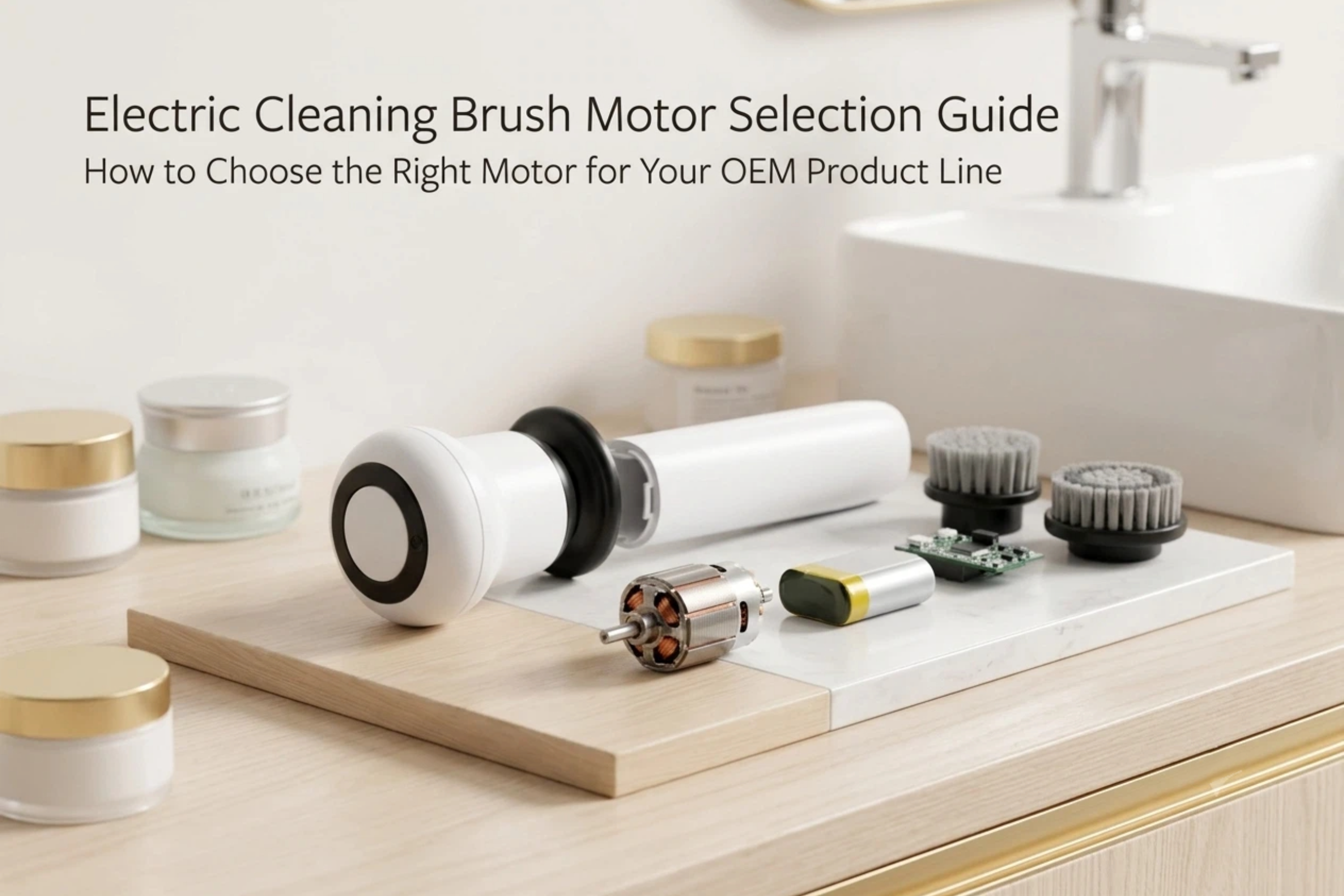
Electric cleaning brush, also commonly known as an electric cleaning brush scrubber or electric spin scrubber cleaning brush, is an automated scrubbing tool. It is divided into two types: rechargeable battery power supply, such as electric spin scrubber cordless cleaning brush, or a direct power cord. It is equipped with a rotating or swinging brush head, which can output stable motor driving force to decompose dirt, oil and stains.
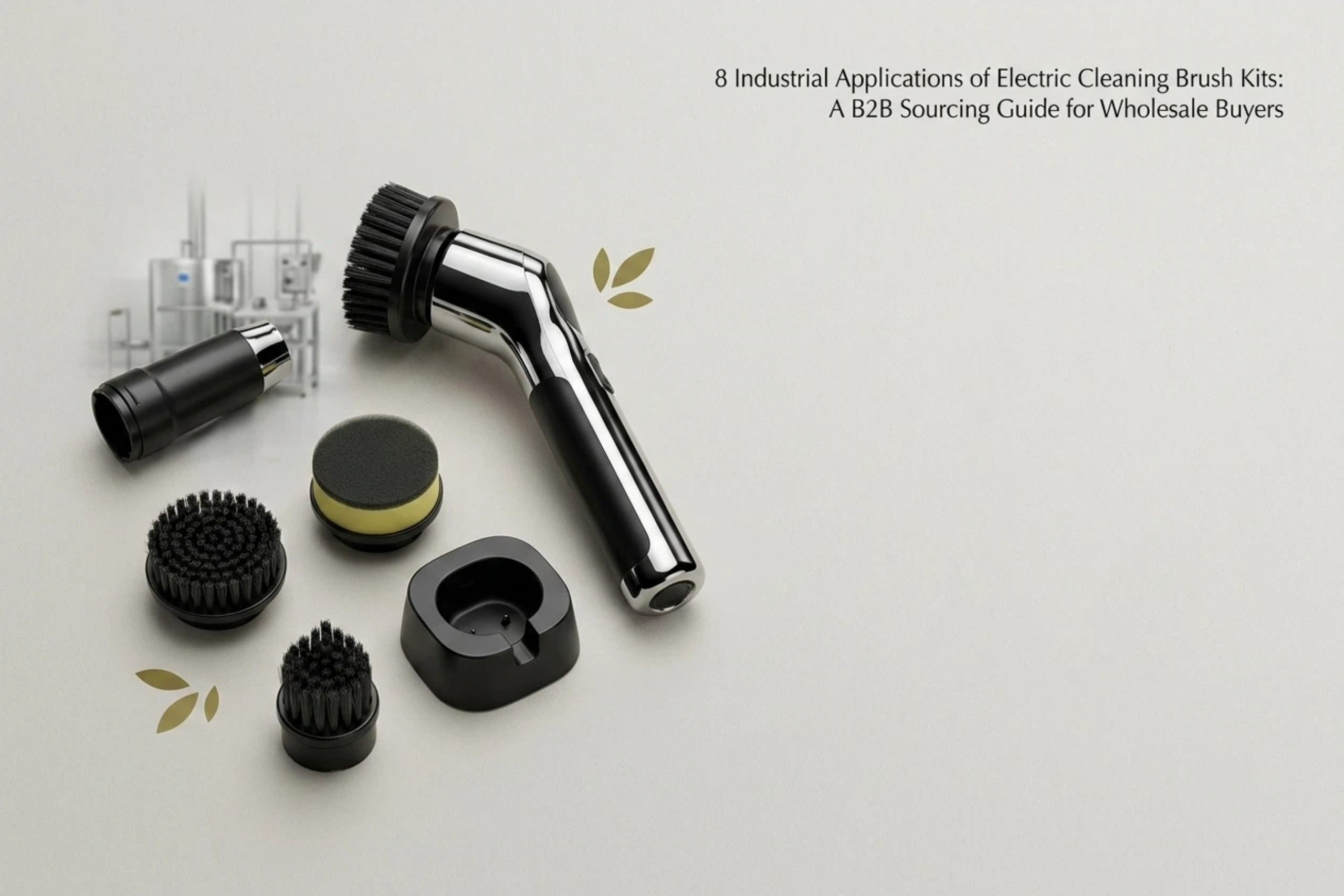
This type of tool has a wide range of uses, and manufacturers have designed various styles for different cleaning scenarios. For example, the electric brush cleaner for bathroom are usually equipped with hard brush heads, specifically designed to deal with stains on tiles and joints, while the electric kitchen cleaning brush may be equipped with soft bristles or sponge brush heads, which can gently and efficiently clean the stove and sink. The electric spin scrubber cordless electric cleaning brush is highly favored for their portability, without being limited by power sockets, making them particularly suitable for cleaning hard to reach areas such as under furniture or outdoors.
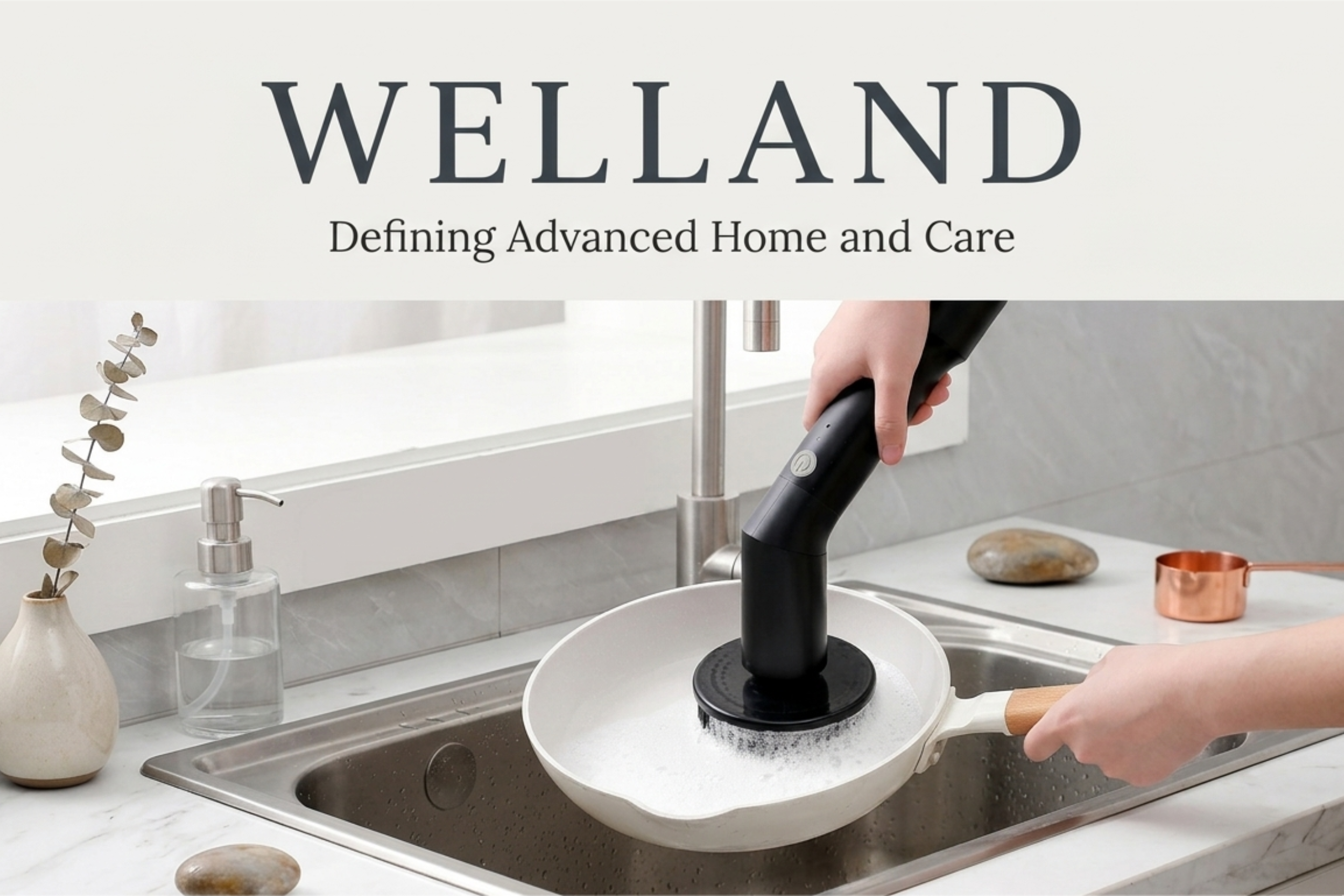
Unlike traditional manual brushes, electric cleaning brushes use built-in motors to generate power, which is highly attractive to people who want to simplify the cleaning process. Brands like WELLAND have refined their electric brushes for cleaning to include user-friendly features enhancing their practicality in different surfaces and scenarios. However, even with these advancements, electric cleaning brushes still have many shortcomings.
The electric spin scrubber cordless cleaning brush is prized for its portability, but battery life is a major pain point. Most cordless electric cleaning brush can only be used continuously for 20-60 minutes after being fully charged, barely enough to thoroughly clean a large room. For example, when cleaning both the bathroom and kitchen at the same time, you may encounter a situation where the battery runs out halfway and have to pause cleaning, waiting for 2-4 hours to fully charge. This interruption not only prolongs the total cleaning time, but also disrupts the cleaning rhythm, resulting in incomplete surface cleaning that requires rework in the future. Therefore, this product is not practical for users with large housing areas or high cleaning needs.
Due to the presence of a built-in motor, battery, and protective casing, electric cleaning brush is inherently heavier than traditional manual brush, with most models weighing between 1-3 pounds. The rigid design makes it difficult to flexibly manipulate in narrow or hard to reach spaces, such as between cabinets, around faucet handles, or inside small appliances. For instance, an electric kitchen cleaning brush may not fit into the narrow gap between the stove and countertop, forcing you to switch back to manual brushes. Similarly, an electric brush cleaner for bathroom may not reach the corner of the shower or behind the toilet, leaving a cleaning blind spot. The additional weight can also cause fatigue during long-term use, which goes against the core selling point of electric cleaning brushes that are “labor-saving”.
Traditional manual brushes typically cost between $5-15 and have a long lifespan, while electric cleaning brushes are much more expensive. The basic model is priced at $30-50, and the mid to high end model equipped with multiple brush heads, speed control function, or cordless function can even reach a price of $80-150 or even higher. Not only that, continuous investment is also required for subsequent maintenance. The brush head needs to be replaced every 3-6 months depending on the frequency of use; Rechargeable batteries will age over time, and the cost of replacing faulty batteries may reach 30% -50% of the original price. For consumers with limited budgets or occasional cleaning, the long-term cost of use often outweighs the benefits it brings.
The scrubbing power driven by the motor is the key to efficient cleaning of electric cleaning brushes, but it also becomes the biggest hidden danger when cleaning fragile surfaces. Many models have a speed of up to 1000-3000 revolutions per minute, and when paired with a hard bristle brush head, they are prone to scratching or wearing sensitive materials such as polished stone and glass. Even with a soft bristle brush head, the continuous pressure applied by the motor may cause micro scratches for a long time, ultimately leading to high repair costs. For example, using an electric cleaning brush scrubber to clean a glass shower door may leave fine scratches that gradually accumulate; cleaning non-stick pans may damage the coating. Human error will further exacerbate this problem and limit the versatility of the tool.
The noise level of electric cleaning brush is relatively high, reaching 60-80 decibels during operation. This type of noise is highly disruptive, especially in poorly insulated houses such as apartments, or when used during quiet periods such as early morning and late night. Unlike manual brush that operates silently, electric cleaning brush forces you to schedule cleaning times based on your own and your neighbors’ schedules, a drawback often avoided in product promotion.
Cleaning the electric cleaning brush itself is not easy. Food residue or dust can easily get stuck in the bristles of the brush head, and electrical components determine that it cannot be completely immersed in water like cleaning a manual brush. Residual dirt can breed bacteria and mold, making tools a source of pollution instead. Although some models are equipped with detachable brush heads, the cleaning process is still much more tedious than manual brushes. In addition, moisture infiltration into the motor or battery compartment may also cause damage and shorten the tool’s lifespan.
Electric cleaning brush is not a universal solution, and the following groups need to carefully consider before purchasing:
People who live in small houses or only need occasional cleaning of minor stains. Buying a manual brush is more cost-effective and fully meets your needs;
People with fragile surfaces at home. The risk of scratching with an electric cleaning brush is too high and not worth the loss;
People with limited budgets. The initial purchase cost and subsequent maintenance costs are high and difficult to bear;
People who pay attention to quietness and cleanliness. When cleaning, it is necessary to take care of babies for nap time or remote work for family members, and noise problems can cause serious inconvenience;
People who require frequent cleaning of narrow spaces. The bulky design of the electric cleaning brush makes it ineffective in such scenarios.


Despite their disadvantages, electric cleaning brush is still a practical tool for specific users. If it meets the following criteria, it may be your ideal choice:
Due to physical limitations, it is difficult to manually scrub, and the cleaning method of electric cleaning brush can reduce laborious operation;
Large areas need to be cleaned, and attention should be paid to cleaning speed and efficiency, electric cleaning brush can shorten the cleaning time for stubborn stains;
Frequently handle heavy cleaning tasks. Requires stable and strong scrubbing force;
Tends to be wireless and portable, used in hard to reach areas, and does not mind depending on battery life;
Willing to invest in subsequent maintenance.
If your needs align with these scenarios, a high-quality model like WELLAND’s electric brushes for cleaning can streamline your routine.


While electric cleaning brush has inherent drawbacks, WELLAND addresses these pain points through customized design and technological upgrades:
Diversified cleaning performance: Equipped with bristles of different types and lengths, suitable for various cleaning scenarios; Paired with a 360 ° rotating brush head, it cleans evenly and thoroughly.
Balancing power and safety: Equipped with a powerful motor, it efficiently removes dirt while avoiding excessive friction, making it less likely to scratch vulnerable surfaces.
Excellent waterproof performance: The basic model has an IPX5 waterproof rating (some models reach IPX6), which can cope with water splashes and flushing during cleaning, preventing internal parts from being damaged by water ingress.
Long endurance and flexible use: Excellent endurance performance; Cordless design paired with adjustable extension rods eliminates the limitations of power sockets and is suitable for cleaning high walls, outdoor areas, and other scenarios.
Human engineering design & Cost-Effective: Lightweight body, coupled with extension rods to enhance flexibility; The brush head can be replaced, reducing maintenance costs for long-term use.
WELLAND transforms the shortcomings of electric cleaning brush into advantages, capable of performing both light daily cleaning and deep household cleaning tasks.
Electric cleaning brush, including the electric brush cleaner, electric spin scrubber cleaning brush, electric brush cleaner for bathroom, and electric kitchen cleaning brush, undoubtedly bring convenience and save energy, but their shortcomings make them difficult to become the ideal choice for most users. Whether to purchase depends entirely on your home’s cleaning needs, surface materials, and budget.
If manual scrubbing is quite laborious for you, or if you need to clean large, difficult to maintain areas, the WELLAND electric cleaning brush is an excellent choice. WELLAND electric cleaning brushes can truly create value and make the cleaning process more efficient.
If your living space is small, there are many vulnerable surfaces in your home, or your budget is limited, manual cleaning brushes are still a more practical choice. Ultimately, the most suitable cleaning tool for you is the one that fits your lifestyle.
Q1: Can electric cleaning brushes be used on fragile surfaces?
A1: Yes, it needs to be paired with a soft bristle brush head and low-speed gear, avoiding the use of a hard bristle brush head and high-speed mode.
Q2: What’s the battery life of cordless electric cleaning brushes?
A2: Single charge range of 20-60 minutes (high-end models can reach up to 90 minutes), charging time of 2-4 hours.
Q3: How much do replacing accessories cost?
A3: Brush heads: $10–$25/set (replace every 3–6 months), batteries: 30–50% of the device price.
Q4: Can electric cleaning brushes be washed with water?
A4: Only the detachable brush head can be rinsed, don’t immerse the body in water, and confirm the waterproof level of the product before use.
Q5: How loud is the noise of the electric cleaning brush?
A5: The regular model has a noise level of 60-80 decibels, while the low-noise model operates at 50-60 decibels.
Q6: Can an electric cleaning brush remove stubborn stains like oil and scale?
A6: Yes, the best cleaning effect is achieved with a hard bristled brush head. When used in conjunction with specialized cleaning agents, the ability to remove dirt will be even better.
Q7: Is an electric cleaning brush suitable for outdoor cleaning operations?
A7: Most models are designed for indoor use. It is recommended to choose models with IPX6 or higher waterproof rating, sturdy and durable materials for outdoor use.
Q8: Is the electric cleaning brush equipped with multiple brush heads?
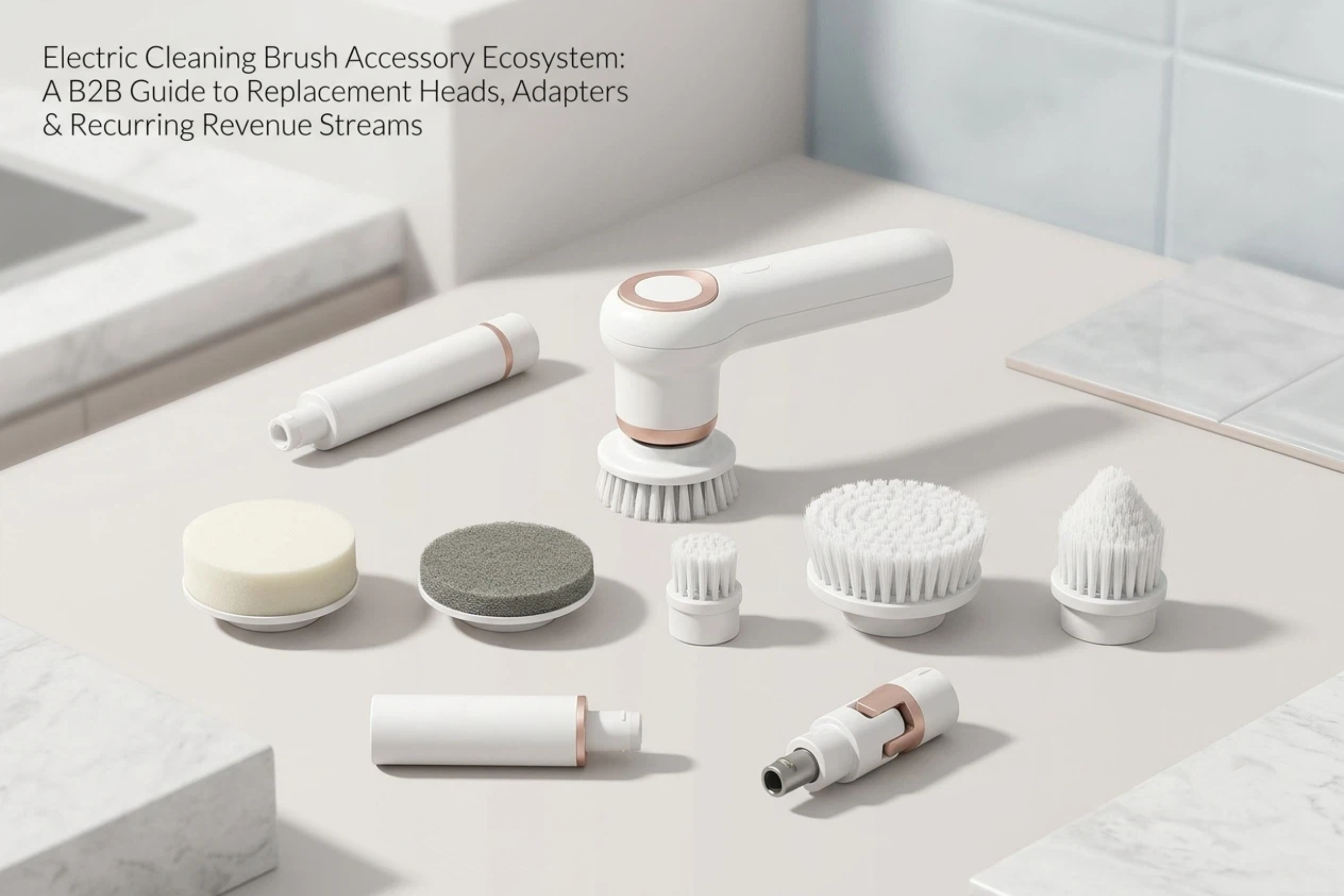
A8: Yes, common types of brush heads include soft microfiber brush heads, hard nylon brush heads, and sponge brush heads, suitable for different cleaning surfaces and scenarios.
Q9: Can I use an electric cleaning brush to clean fabric furniture or carpets?
A9: You can use a soft bristle brush head or a specialized fabric brush head, and adjust it to low-speed mode. Be careful to avoid excessive soaking to prevent damage to the fabric.
Q10: Is the electric cleaning brush easy to store?
A10: Most models are lightweight and portable, equipped with wall brackets or storage bags, which can save storage space.
 EN
EN  RU
RU  PT
PT  FR
FR  ES
ES  KO
KO  JA
JA  DE
DE  ZH
ZH