




Trimming nose hair is a common grooming habit. Many people do it for a cleaner look or better hygiene. At the same time, many people worry about safety. They ask questions like whether trimming can cause infections, nosebleeds, or breathing problems. These concerns are valid.
Doctors often explain that nose hair is not just about appearance. It has a real function in protecting your body. This is why nose hair trimming should be done carefully and with the right method.
Before answering whether trimming is safe, it is important to understand what nose hair does. Nose hair sits at the entrance of the nostrils and acts as a natural filter. It traps dust, bacteria, pollen, and other small particles before they reach the lungs.
Nose hair also helps maintain moisture inside the nasal passages. This moisture protects the delicate lining of the nose from drying out and cracking. When the lining is healthy, it becomes harder for bacteria to enter the body.
This is why doctors do not recommend removing nose hair completely. Keeping some hair is essential for breathing comfort and protection.
The short answer from doctors is yes, it is safe to trim nose hair. The longer and more important answer is that it depends on how you trim it, how short you cut it, and what tools you use. Many health problems linked to nose hair grooming do not come from trimming itself, but from trimming the wrong way.
Doctors explain that nose hair exists for a reason. It is part of the body’s first line of defense. When people understand this function, they also understand why trimming must be done carefully instead of aggressively.
From a medical point of view, trimming visible nose hair that sticks out of the nostrils is generally safe. This type of trimming does not affect breathing and does not remove the protective function of nose hair. The problems start when people try to remove nose hair completely or cut it too close to the skin.

| Trimming Method | Doctor Recommendation Level | Why Doctors Approve or Caution This Method |
| Electric nose hair trimmer | Strongly recommended | Designed with rounded tips and enclosed blades that control length without cutting skin or removing hair too deeply. Reduces risk of bleeding and infection. |
| Blunt-tip scissors (limited use) | Acceptable with caution | Can trim visible hair at the nostril edge, but requires steady hands, good lighting, and careful control to avoid cuts. Not ideal for regular use. |
| Manual trimming with sharp scissors | Not recommended | Sharp edges increase the risk of skin injury, over-trimming, and accidental cuts inside the nose. |
| Plucking nose hair | Strongly discouraged | Pulling hair out can cause bleeding, open follicles, and increase the risk of bacterial infection inside the nose. |
| Waxing or chemical hair removal | Not recommended | Can irritate or burn sensitive nasal tissue and removes hair completely, eliminating natural protection. |
| Laser hair removal inside the nose | Use with extreme caution | Permanently removes protective hair and may damage sensitive nasal lining. Generally not recommended by doctors. |
Doctors agree that trimming nose hair is about balance, not removal. The goal is to keep the nose clean and neat while preserving its natural protective function. Medical professionals emphasize that the safest methods are those that control length gently, avoid damage to the skin, and reduce the risk of infection.
Below are the trimming methods doctors most commonly discuss, along with when each method is considered appropriate.
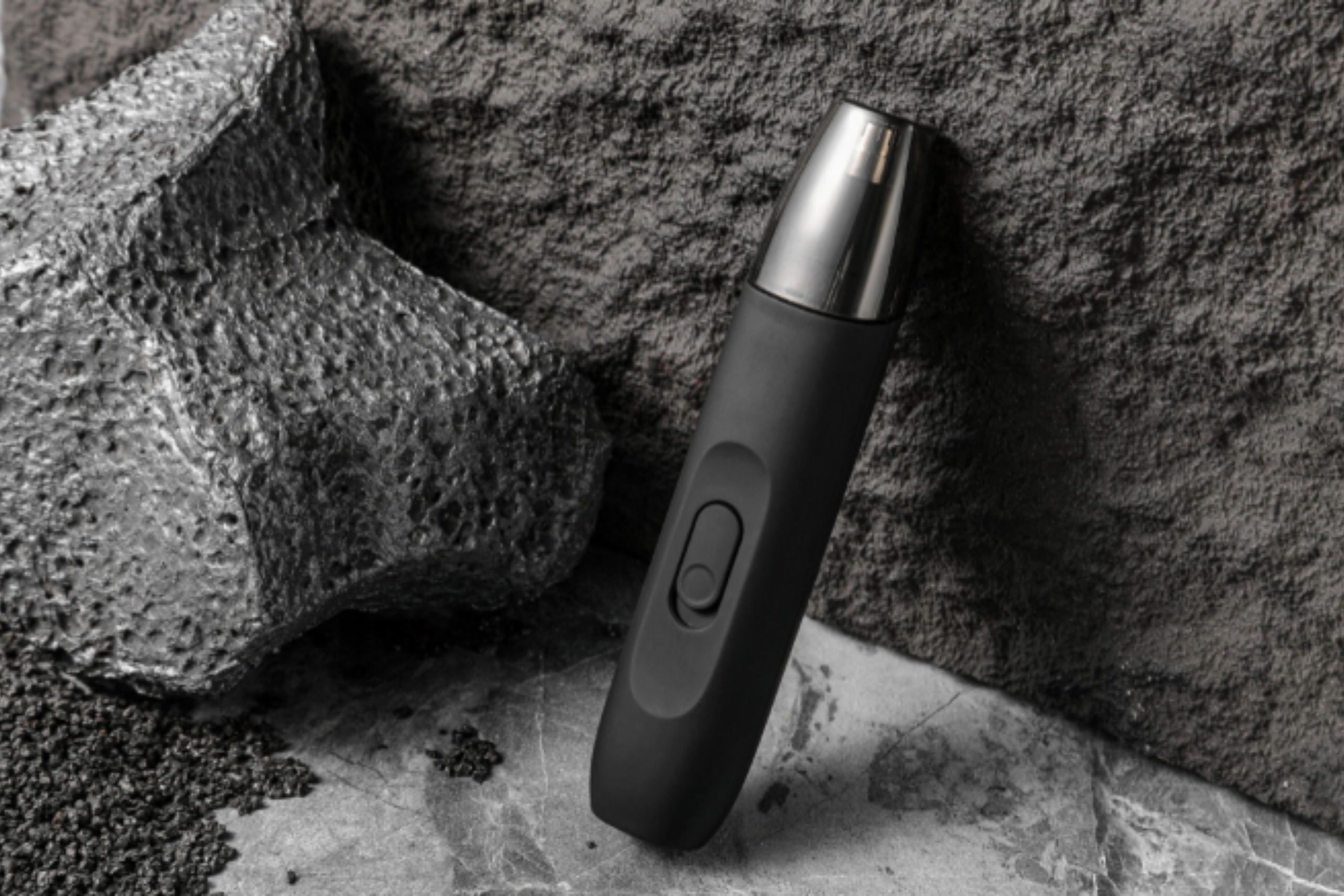
Most doctors recommend using an electric nose hair trimmer as the safest and most reliable method for nose hair grooming. These devices are specifically designed for the shape and sensitivity of the nasal area. Unlike scissors or razors, electric trimmers are built to limit how close the blade gets to the skin.
Electric nose hair trimmers usually feature rounded tips and enclosed blades. This design reduces the chance of cuts and prevents hair from being trimmed too short. Doctors point out that this is important because cutting hair flush with the skin removes the nose’s natural filter and increases irritation risk.
Welland nose hair trimmers use a rotary cutting system that trims hair evenly from multiple angles without pulling. This helps avoid discomfort and reduces the chance of tiny skin injuries. Many Welland models also include washable trimmer heads, which doctors consider an important hygiene feature. Keeping the trimmer clean reduces bacterial buildup and lowers the risk of infection inside the nose.
Some Welland trimmers also include built in LED lighting. Doctors note that visibility is often overlooked during nose hair trimming. Poor lighting increases the risk of trimming too deeply. LED lighting helps users see only the visible hair that needs trimming and avoid unnecessary contact with sensitive tissue.
For first time users, older adults, and people with sensitive noses, electric trimmers are considered the safest long term solution.
Doctors do not completely forbid manual trimming, but they strongly limit when and how it should be done. Manual trimming is only acceptable for cutting hair that is clearly visible outside the nostril.
Blunt tip scissors are the only type doctors consider acceptable for this purpose. Sharp scissors increase the risk of cutting skin, especially when the hand slips or lighting is poor. Doctors advise trimming in front of a mirror, using slow movements, and never inserting scissors deep into the nose.
Manual trimming should not be used as a frequent grooming method. It is better for occasional touch ups rather than regular maintenance. Doctors also warn against trimming hair flush with the skin, even when using scissors. The goal is to shorten hair slightly, not remove it.
If a person has shaky hands, poor eyesight, or sensitive nasal tissue, doctors usually advise switching to an electric trimmer instead of relying on manual tools.
Some people consider laser hair removal as a long term solution for nose hair. Doctors are generally cautious and often advise against this method for the inside of the nose.
Laser treatments work by damaging the hair follicle, which leads to permanent hair reduction. While this may sound convenient, doctors point out that nose hair is not meant to be permanently removed. Eliminating it increases exposure to dust, allergens, and bacteria.
There is also a safety concern. The nasal lining is thin and sensitive. Laser energy can cause burns, irritation, or scarring if not performed correctly. Because of these risks and the loss of natural protection, most doctors do not recommend laser hair removal inside the nose.
Laser treatment may be considered only in very specific medical cases and should never be done without professional medical guidance.
Doctors strongly warn against plucking nose hair. Pulling hair out can cause bleeding and open tiny wounds in the nasal lining. These wounds can become infected because the nose contains many bacteria.
Waxing and chemical hair removal products are also discouraged. These methods are too harsh for nasal tissue and may cause burns or inflammation.
Using razors inside the nose is another dangerous practice. Razors can easily cut skin and remove hair too close to the surface, increasing hair trimming risks.
When nose hair is trimmed incorrectly, several problems may occur. One common issue is irritation. The inside of the nose can feel itchy or sore if hair is cut too short. Another risk is infection. Small cuts inside the nose allow bacteria to enter. In rare cases, infections inside the nose can spread to surrounding areas. Over trimming may also increase dryness and nosebleeds. This happens because nose hair helps keep moisture inside the nasal passages. People with allergies may notice worse symptoms if nose hair is removed too aggressively. This is because fewer allergens are filtered out.
Doctors recommend choosing tools that minimize risk. A safer nose hair trimmer should have rounded or enclosed blades to prevent cuts. Adjustable trimming heads help avoid cutting hair too short.
Welland nose hair trimmers are designed with safety focused features such as enclosed rotary blades and ergonomic handles. Battery powered options allow gentle control, and washable heads support hygiene after each use.
These features help reduce trim nose hair risks and make trimming safer for first time users and older adults.

So is it safe to trim nose hair. Doctors say yes, as long as it is done correctly and conservatively. Nose hair plays an important role in protecting your health. Trimming should only control visible hair, not remove it completely. The safest method is using a dedicated electric nose hair trimmer. Manual trimming can be acceptable in limited cases, while plucking, waxing, and shaving should be avoided. Understanding proper nose hair trimming techniques helps reduce infection risk, irritation, and discomfort. Choosing doctor friendly tools like Welland nose hair trimmers makes grooming safer and more effective.
Q1: Can trimming nose hair cause infections?
A1: It can if done incorrectly. Cutting hair too short, plucking, or using sharp tools may create small wounds that allow bacteria to enter the nose.
Q2: How often should nose hair be trimmed?
A2: Most people only need to trim nose hair once every one to two weeks. Trimming more often does not provide extra benefits and may irritate the nose.
Q3: Can trimming nose hair affect breathing?
A3: Normal trimming does not affect breathing. However, removing too much hair may reduce the nose’s ability to filter air and keep nasal passages comfortable.
Q4: Is laser hair removal safe for nose hair?
A4: Doctors are cautious about laser hair removal inside the nose. It permanently removes protective hair and may irritate sensitive nasal tissue.
 EN
EN  RU
RU  PT
PT  FR
FR  ES
ES  KO
KO  JA
JA  DE
DE  ZH
ZH