



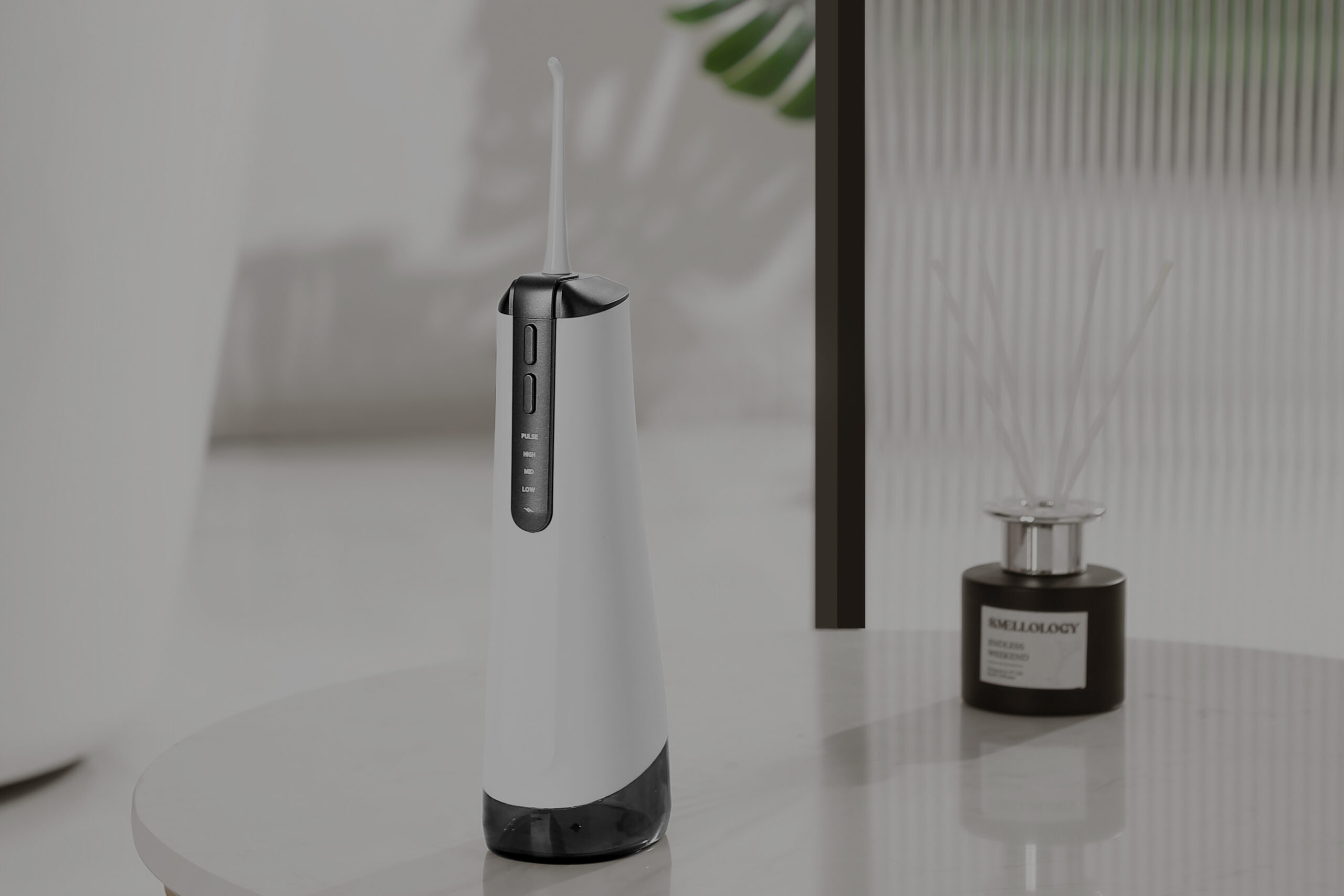
Water flossers, also known as oral irrigators, have become increasingly popular in the realm of dental hygiene due to their efficacy and convenience. These devices use a pulsating stream of water to clean between teeth and along the gum line, areas often missed by traditional brushing and flossing. They are particularly beneficial for individuals with braces, dental implants, crowns, and those with gum disease.
How Water Flossers Work
At the heart of every water flosser is a mechanism that converts water pressure into a focused stream capable of dislodging food particles and plaque. The water, which can be adjusted for pressure, is emitted from a small nozzle that users guide along their teeth and gums. This process not only displaces debris but also stimulates the gums, promoting better circulation and overall gum health.
Benefits of Water Flossing
1.Enhanced Cleaning: Water flossers are capable of removing more plaque and food debris from between teeth than traditional string floss alone, leading to a deeper clean.
2.Gum Health: The gentle water massage can improve gum health by increasing blood circulation and reducing the risk of gingivitis.
3.Accessibility: They are easier to use than traditional floss, especially for people with braces, dental implants, or limited dexterity.
4.Customizable Pressure Settings: Most models offer various pressure settings, allowing users to customize the experience based on their comfort and oral health needs.
5.Convenience: Many water flossers are compact and portable, making them suitable for travel or on-the-go use.
How to Use a Water Flosser
1.Fill the device’s reservoir with lukewarm water or, for an extra cleaning boost, with an antimicrobial mouthwash.
2.Select an appropriate tip and adjust the water pressure according to your comfort level.
3.Lean over the sink to catch the expelled water.
4.Insert the tip into your mouth near the gum line and allow the water to pulse against your teeth and gums.
5.Move the tip along the gum line, ensuring to reach all areas of your mouth.
6.Rinse the device and empty the reservoir after use to prevent bacterial growth.
Choosing the Right Water Flosser
When selecting a water flosser, consider the following:
Reservoir Capacity: Larger reservoirs can accommodate longer flossing sessions without needing refills.
Pressure Settings: Look for a range of settings to suit your comfort and oral health needs.
Nozzles: Different nozzles are designed for various purposes, such as cleaning around braces or dental implants.
Portability: Cordless or compact models are ideal for travel.
Final Thoughts
Incorporating a water flosser into your daily oral hygiene routine can significantly enhance the cleanliness of your teeth and improve gum health. As with any dental tool, it’s essential to use it correctly and consistently for the best results. Always consult with your dental professional if you have specific concerns or questions about integrating a water flosser into your care regimen.
 EN
EN  RU
RU  PT
PT  FR
FR  ES
ES  KO
KO  JA
JA  DE
DE  ZH
ZH