



Water flossers—commonly known as Water Floss—have quickly become one of the most popular tools for modern oral hygiene. Using a pressurized stream of water to clean between teeth and below the gumline, Water Floss devices can remove plaque more effectively than traditional floss while offering a gentle, comfortable experience. Brands like WELLAND, a leading supplier of Water Flossers and personal care devices, are bringing game-changing innovation into daily dental care.
But despite their benefits, water flossers are not perfect. So, what is the disadvantage of Water Floss? Let’s break it down clearly and honestly.

A Water Floss (also called a water flosser or oral irrigator) uses targeted water pressure to flush out food particles, plaque, and bacteria from hard-to-reach areas. Compared to manual floss, it is easier to use, more comfortable, and gentler on gums.
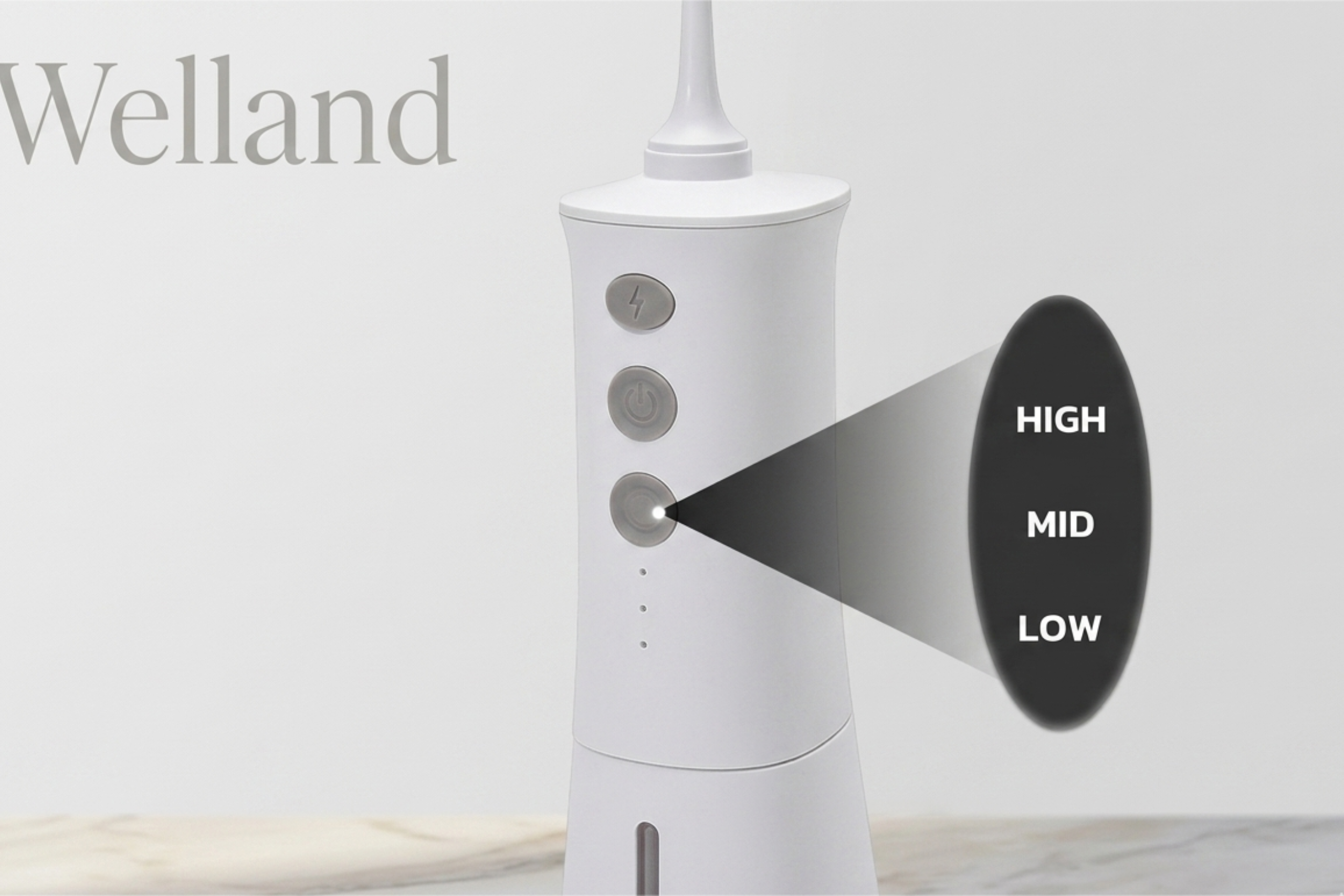
Many brands have developed advanced designs, such as WELLAND Water Floss, known for its powerful yet gentle water jet technology and ergonomic design. WELLAND specializes in beauty devices and personal care products, providing high-quality Water Flossers trusted by global users.
Compared with traditional dental floss that costs only a few dollars, a Water Floss device is significantly more expensive.
Users must invest in the device itself (typically $30–$150 depending on quality and features).
Replacement nozzles add long-term cost every 3–6 months.
Models with advanced technology—such as WELLAND Water Floss with multi-mode pressure control—may require slightly higher upfront investment for better performance.
Budget-conscious users or first-time buyers may hesitate due to the price difference.
Traditional floss is simple and portable. But Water Flossers rely on:
Electric power, or
Battery charging
Cannot be used during a power outage.
Requires regular charging.
Some large countertop models are not travel-friendly.
For frequent travelers, a cordless model like WELLAND Water Floss may solve part of the problem, but it still requires consistent charging.
For beginners, Water Floss may create splashing or dripping if not used correctly.
Incorrect positioning of the nozzle.
High water pressure before adapting to the sensation.
Inexperienced users accidentally spraying water outside the mouth.
Most users overcome this within a few days, but the learning curve may still be considered a disadvantage.
While Water Floss is excellent for flushing debris, it may be less effective in areas where teeth are extremely tight.
Water cannot always fully replace the scraping motion of string floss in narrow spaces.
Water Floss + Occasional String Floss
This hybrid method offers the most complete cleaning for users with crowded teeth.
Traditional floss fits in your pocket; Water Floss does not.
Takes up bathroom counter space.
Heavy or inconvenient for travel.
Portable models have smaller water tanks, requiring multiple refills.
If minimalism and portability are important, the size of Water Floss might be seen as a disadvantage.
A Water Floss device requires proper cleaning to prevent:
Mold
Mineral buildup
Bacteria growth
Rinse the water tank after every use.
Deep-clean internal tubes monthly.
Replace nozzles periodically.
Compared to simple floss that you throw away after use, this is indeed extra work.
Although Water Floss is gentler overall, beginners may experience:
Mild bleeding
Gum soreness
Tingling sensation
The water pressure may be too strong at first.
Adjusting to low pressure mode, such as the gentle mode available in WELLAND Water Floss, typically solves this problem.
Absolutely—yes.
Even though Water Flossers have some drawbacks, their advantages are widely recognized by dental professionals:
Remove plaque more efficiently
Clean deeper below the gumline
Reduce gingivitis
Reach areas traditional floss cannot
Gentler for sensitive gums, braces, or implants
For users who wear braces, have gum disease, or struggle with traditional flossing, a Water Floss device—especially high-quality brands like WELLAND Water Floss—can significantly boost oral hygiene.
While very beneficial, some users may need extra consideration:
String floss may be more convenient.
Water Floss devices require cleaning.
They must start with very low pressure to avoid discomfort.
Water Flossers are a game-changing oral care technology. While they come with disadvantages—such as higher cost, maintenance needs, and a small learning curve—their benefits in plaque removal, gum protection, and deep cleaning are hard to beat.
If you’re looking for a reliable, high-performance option, WELLAND stands out as a trusted manufacturer in personal care solutions. Their WELLAND Water Floss combines power, gentleness, and innovative design, helping users maintain excellent oral health with ease.
 EN
EN  RU
RU  PT
PT  FR
FR  ES
ES  KO
KO  JA
JA  DE
DE  ZH
ZH