



Recovery is a crucial part of any fitness program. Whether you’re running a marathon, lifting weights, or practicing yoga, your muscles need post-workout care. In recent years, one tool has become incredibly popular for muscle recovery: the massage gun. This shock therapy device helps reduce soreness and improve blood flow.
However, the problem is that using a massage gun in the same way for all sports doesn’t work. Runners need to focus on their legs and glutes; weightlifters need to massage large muscle groups like the back and chest; and yoga enthusiasts need to focus on smaller stabilizing muscle groups. In this article, you’ll learn how to use a massage gun for muscle recovery based on your sport. You’ll also learn some simple massage techniques and safety tips.

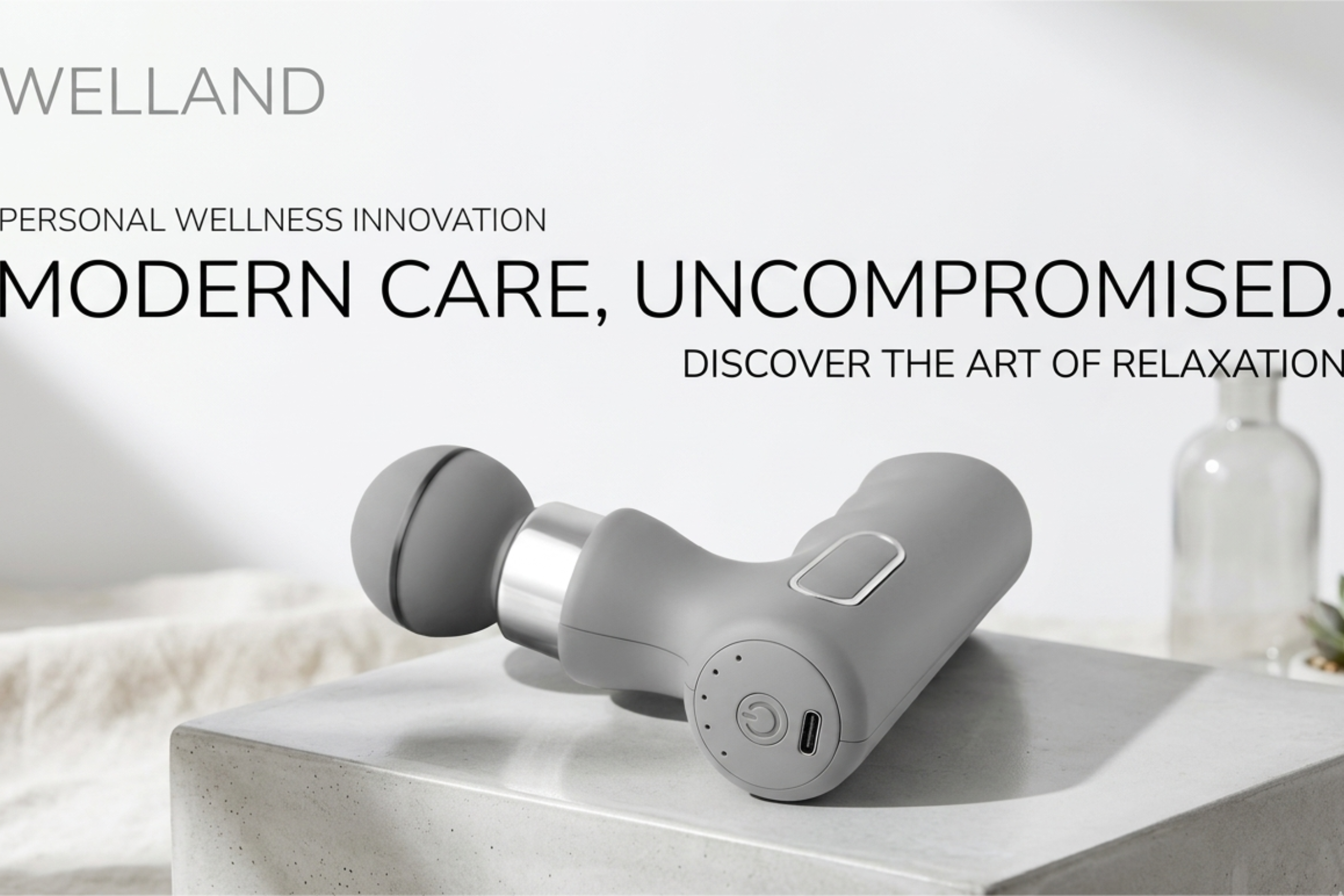
A muscle massage gun works by sending rapid, tiny pulses into your muscle tissue. These pulses are called shocks. They penetrate deep into the muscles, much deeper than you can reach with your hands. Therefore, they help relax tense muscles, eliminate muscle knots, and promote blood circulation. The better the blood circulation, the more oxygen is supplied, and the faster the muscles heal.
Most massage guns come with different massage heads and speed settings. Soft massage heads are suitable for sensitive areas, while firm massage heads are suitable for larger muscles. You can adjust the pulse intensity to suit your needs. When used correctly, this tool is safe and effective. However, improper use can lead to bruises or pain. Therefore, learning massage techniques specific to your sport is essential.
Runners put a lot of pressure on their lower body. Every step transfers force to the feet, calves, quadriceps, and glutes. Over time, this can lead to muscle tension and pain.
Runners often experience problems such as tight calf muscles and shin splints. Some runners may also develop plantar fasciitis, which is pain in the sole of the foot. Others may experience tightness on the outside of the knee. These problems can all alter your running form and potentially lead to sports injuries.
For sensitive areas such as the shinbone, use a soft or medium-firm massage head. For the quadriceps and hamstrings, use a larger, flatter head. Slowly glide the massage gun along the muscle. Hold each area for 30 to 60 seconds, but do not linger on bones or joints for too long.
Calves: Start near the ankle and massage upwards to the knee.
Quadriceps: Massage upwards from the knee to the hip.
Hip flexor: Due to the sensitivity of this area, use very gentle pressure and set the massage gun to a low speed.
Use a massage gun for muscle recovery after running. Do not use it before running. Stretching and warming up before running will enhance the effect. After running, wait 10 to 15 minutes to allow your heart rate to return to normal. Then massage your legs and buttocks with the massage gun for 5 to 10 minutes. Do not use immediately if you experience severe pain in any area after a long or strenuous run.
Weightlifters frequently lift heavy objects during training. This helps build muscle, but it can also lead to muscle tension and knots. Large muscle groups like the latissimus dorsi, glutes, chest, and back muscles require special care.
Weightlifters often experience shoulder pain after overhead presses, lower back tightness after dead-lifts, chest tightness after bench presses, and gluteal stiffness after squats. Muscle nodules in the upper back and trapezius muscles are also common.
For larger muscles, you can use higher speeds and deeper pressure. A good massage gun should have a powerful motor and long battery life. Using round or bullet-shaped massage heads allows for deep penetration into the muscles.
Chest Massage: Slide from the armpit towards the center of the chest.
Latissimus Dorsi (lateral back muscles): Raise your arm and place the massage gun under your armpit.
Glute Massage: Sit in a chair and use a medium speed setting.
Massage larger muscle groups for no more than two minutes, but move the massage gun slowly to avoid lingering in the same area for too long and causing pain.
Use a muscle massage gun after exercise. At this time, muscles are tired but not cold. If you feel muscle soreness the next day, it’s also a good time to use it. Do not use it immediately before weightlifting. Deep massage may cause muscles to feel weak temporarily. Also, never use it on areas that are newly injured or swollen.
Yoga emphasizes balance, flexibility, and control. Many people believe that yoga doesn’t cause muscle soreness, but this is not the case. Yoga works some small, deep muscles that support your body in various postures.
Yoga practitioners often experience tightness in the small muscles of the shoulders, deep hip rotates, muscles around the spine, and arches of the feet after yoga practice. Wrist pain is also common due to poses such as Downward-Facing Dog and Plank.
Small muscles need gentle care. Use the softest massage head and the lowest speed setting. Keep the massage gun moving. Do not press hard.
Foot: Use the soft, flat massage head to gently massage the arch and forefoot.
Wrist: Do not place the massage gun directly on the wrist bone. Instead, massage the forearm muscles.
Small back muscles near the spine: Use the soft massage head and keep it away from the spine. Massage each small area for 20 to 30 seconds.
After yoga practice, a massage gun can be used to help muscles recover. This is especially effective after deep stretching or power yoga classes. It can also be used on rest days when muscles feel tight. Do not use it before yoga class, as this may cause the stabilizing muscles to become too relaxed, thus affecting balance.
Here are some simple safety rules for using a massage gun:
Never use on bones, joints, or the spine. Only massage muscle tissue.
Avoid massaging the neck and head. Important nerves and blood vessels are located on the front and sides of the neck.
Do not use on bruises, swelling, or open wounds.
Keep away from the knees and elbows. These areas have prominent bones and are more sensitive.
Drink water after using a massage gun. This helps flush out metabolic waste from the muscles.
If you experience severe pain, stop using it immediately. Mild discomfort is normal, but pain is a warning sign.
Consult your doctor before use. If you have health problems such as blood clots or neurological disorders, or if you are pregnant, be sure to consult your doctor.
A good massage gun should come with clear instructions and multiple speed settings. Start with the lowest speed each time you try massaging a new area.
Recovery varies from person to person. What works for runners may not work for weightlifters, and what works for weightlifters may harm yoga enthusiasts. A massage gun is a powerful tool, but only if used correctly. Runners should focus on massaging their legs and hips after running. Weightlifters should focus on massaging large muscle groups after lifting weights. Yoga enthusiasts should focus on massaging smaller stabilizing muscle groups after practice.
By learning massage techniques specific to each sport, you get more massage gun benefits with less risk of injury. Listen to your body and incorporate recovery into your daily fitness routine. Whether you are fast, strong, or flexible, your muscles will thank you. A good massage gun, like the ones from WELLAND, can make this daily recovery easy and effective.
A1: Yes, you can use it every day. However, each use should not be too long. For most people, 5 to 10 minutes per muscle group is sufficient. Overuse may cause muscle bruising or soreness.
A2: No, you should not feel severe pain. You may feel a deep, comfortable pressure, or a slight soreness. But if you feel pain, reduce the speed or change the massage area.
A3: Yes. Impact therapy helps eliminate trigger points and muscle knots. Slowly move the massage gun over the knot and hold for 30 to 45 seconds. Do not use excessive force.
A4: Choose a massage gun with multiple speed settings. Also, choose a massage gun with at least 3 to 4 massage heads. It should be quiet and have a long battery life. A good massage gun doesn’t have to be expensive. It should feel sturdy in your hand.
A5: It’s best to use it after exercising. Using it before exercising may cause muscles to feel weak or relaxed for a short period, which can affect your athletic performance. Performing some gentle warm-up exercises before training will yield better results.
 EN
EN  RU
RU  PT
PT  FR
FR  ES
ES  KO
KO  JA
JA  DE
DE  ZH
ZH