




Bad breath is a common problem. You might notice people unconsciously taking a step back when you speak. Or you might wake up with an unpleasant odor in your mouth. This can be embarrassing, and many people try various methods to solve the problem.
You brush your teeth twice a day, use mouthwash, and even chew gum frequently. But the bad breath still lingers. Then you hear about water flossers. Some people say they’re incredibly effective at eliminating bad breath, while others think they’re a complete waste of money. So, who’s right?
In this article, we’ll explore the truth and clarify some common misconceptions. After reading this article, you’ll know whether a water flosser is right for you.
Let’s start with the real causes of bad breath.
Most people believe bad breath originates from food. Garlic and onions do play a role, but they are not the primary cause of chronic bad breath.
The real problem lies in a sticky substance called biofilm inside the mouth. You’ve probably heard of it—dental plaque. Biofilm harbors numerous tiny bacteria. They dislike oxygen and feed on food debris and shed skin cells left in the mouth. During eating, they produce gases called volatile sulfur compounds (VSCs).
Where do these bacteria hide? They prefer three places in the mouth:
Between teeth. Toothbrush bristles can’t reach these narrow crevices.
Below the gums. There are small gingival sulci around each tooth.
On the tongue. There are small bumps at the base of the tongue that can harbor bacteria.
If these bacteria aren’t removed, they will continuously produce more volatile sulfur compounds (VSCs). This is why your breath still smells bad even after brushing your teeth.
The primary function of a water flosser is to remove food debris. After meals, tiny food particles can get stuck between your teeth, areas that are difficult to clean thoroughly with a toothbrush.
These food particles rot in your mouth, producing unpleasant odors and nourishing bacteria that produce volatile sulfur compounds (VSCs).
A dental water flosser sprays a fine stream of water that cleans the spaces between your teeth, removing the rotten food. With the food removed, the food source for bacteria is reduced, thus reducing odor.
There’s a tiny gap between each tooth and the gum line called a periodontal pocket. Healthy periodontal pockets are shallow. But when bacteria overgrow, the gums swell, and the periodontal pockets deepen. Deep periodontal pockets are ideal breeding grounds for bacteria. Bacteria hide in places that toothbrushes and regular dental floss can’t reach.
Regular dental floss only penetrates about 2 to 3 millimeters below the gum line. Water flossers, however, are different. They can flush water up to 6 millimeters or more into the periodontal pocket. The water flow reaches the bottom of the periodontal pocket, washing away bacteria. At the same time, it brings oxygen into the otherwise sparsely ventilated periodontal pocket. Since bacteria hate oxygen, they are killed.
The fewer bacteria deep in the periodontal pockets, the less bad breath you’ll have.
Here’s a little-known tip: when flossing with water, you can pour mouthwash into the water tank.
When rinsing with regular mouthwash, it mainly works on the surface of the teeth and can’t reach the gum line or the spaces between teeth. However, when using a water flosser with mouthwash, the water flow will flush the mouthwash into these hidden areas. This provides both mechanical cleaning and chemical disinfection.
Be sure to choose an alcohol-free mouthwash whenever possible. Alcohol can dry out the mouth, and dry mouth can worsen bad breath over time.
Many people believe that water flossers can completely replace traditional dental floss, but this isn’t always the case.
Traditional dental floss works by rubbing the sides of the teeth, scraping away sticky plaque. Water flossers, on the other hand, work by rinsing away loose food debris and bacteria. If your teeth are closely spaced, the water flow may be deflected, failing to thoroughly remove the sticky plaque from the tooth surface.
The best approach is to use both. Use dental floss several times a week to scrape away stubborn plaque; use a water flosser daily to rinse away food debris and bacteria deep within the periodontal pockets.
If your choices are limited, then using the best water flosser you can find is better than doing nothing. However, using both tools simultaneously will result in a cleaner mouth and fresher breath.
Some water flossers come with a special nozzle for cleaning the tongue. Advertisements claim you can use it to spray water and clean your tongue. This sounds practical and simple, but it’s actually not very effective. The surface of the tongue is rough, like a carpet. Bacteria hide in the unevenness of this “carpet.” The water flow simply rushes across the surface and cannot thoroughly remove bacteria from the deeper grooves.
What’s the truly effective way to clean your tongue? A tongue scraper. This is a simple U-shaped tool. When used, it scrapes from the back of the tongue to the tip, removing the thick, odor-causing coating. If you really want fresher breath, buy a tongue scraper. It’s inexpensive and much better than any water flosser for cleaning your tongue.
Not all bad breath originates in the mouth. Sometimes, the problem lies elsewhere in the body.
Here are some examples:
Sinusitis. Mucus flows from the back of the throat, emitting an unpleasant odor.
Tonsillar stones. Small white lumps form at the back of the throat, emitting an unpleasant odor.
Acid reflux. Stomach acid and gas reflux into the throat.
Other medical conditions. Liver or kidney problems can also cause bad breath.
Water flossers cannot solve these problems; they only clean the mouth. If you have tried various oral care methods but the bad breath persists, consult a doctor. There may be a problem with your sinuses, throat, or stomach.

Using a water flosser correctly is very important. Incorrect use will negatively impact breath freshness. Please follow these simple steps:
Step 1: Choose the Right Device
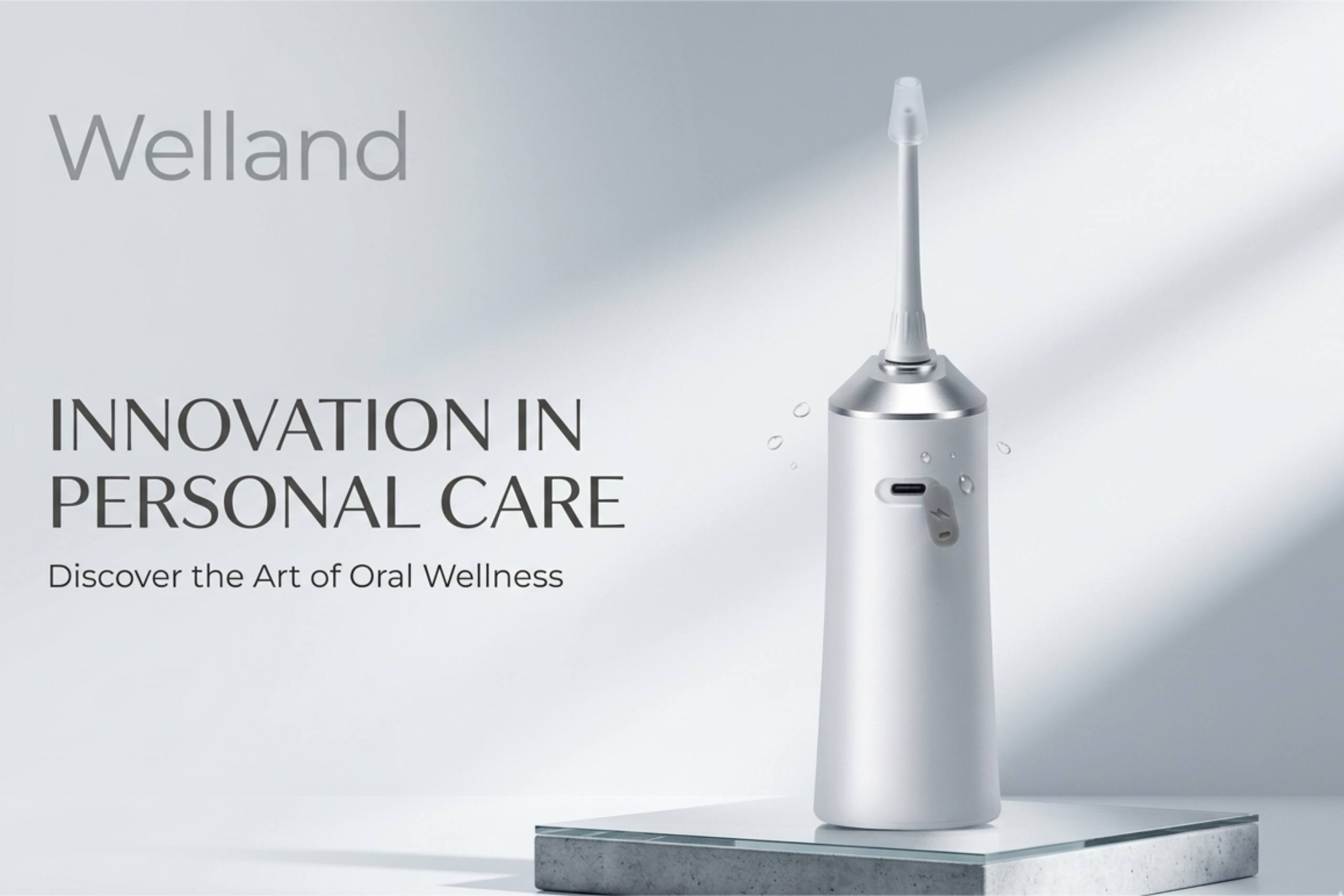
Choose a water flosser, preferably one with adjustable pressure settings. Cordless water flossers are convenient for use in the shower and easy to carry. If you have enough space on your bathroom countertop, you can choose a countertop water flosser with a larger capacity.
Step 2: Learn How to Use a Water Flosser Correctly
Many people don’t know how to use a water flosser correctly. Here’s the correct way:
Fill the tank with warm water. Cold water may irritate your gums.
If needed, add a small amount of alcohol-free mouthwash.
Lean forward towards the sink.
Before turning on the water flosser, place the nozzle in your mouth. Close your lips slightly, but leave a small gap for the water to flow out.
Start with a low or medium pressure. Too much pressure may damage your gums.
Aim the nozzle at a 90-degree angle towards your gum line.
Start with your back teeth. Slowly move from one tooth to the next.
Pause for 2 seconds after cleaning each tooth.
Let the water flow from your mouth into the sink. Do not swallow.
Step 3: Don’t forget to clean your tongue.
After using the water flosser, scrape your tongue with a tongue scraper. Repeat 3 to 5 times.
Step 4: Don’t rinse immediately.
After finishing, spit out any excess water. But do not rinse with water. Let the mouthwash continue to clean your gums. Wait 20 minutes before eating or drinking.
So, can water flossers help get rid of bad breath? The answer is yes, but with some limitations. Water flossers effectively flush away food debris, reaching deep into the gum line, which regular dental floss can’t reach. They can also deliver mouthwash to hidden areas. These are real benefits.
However, water flossers cannot completely replace dental floss. They cannot thoroughly clean the tongue, nor can they solve bad breath caused by physiological issues. If your bad breath is caused by gum problems or food debris stuck between your teeth, then a cordless or countertop water flosser will be very helpful. Brands like WELLAND offer reliable options that are easy to use at home. But you must also scrape your tongue and see a dentist regularly.If you’ve tried everything and the bad breath persists, please see a dentist. The problem may lie elsewhere in your body.
A1: Most people should use it once a day, ideally before bed. This removes food residue from the day and prevents bacteria from growing while you sleep.
A2: Yes, but only under adult supervision. Use the lowest pressure setting. Children over 8 years old can learn how to use a water flosser safely.
A3: It’s best to use warm water or a small amount of alcohol-free mouthwash. Baking soda and salt are too harsh and may clog the machine. Please refer to the user manual before use.
A4: Countertop water flossers usually have larger tanks and more pressure settings. However, cordless water flossers are more convenient. They are ideal for travel and families with small bathrooms. Both can be very effective if used correctly.
A5: Yes. A water flosser is a home oral care tool. It cannot replace professional teeth cleaning. Dentists can remove hardened plaque that cannot be removed with home tools.
 EN
EN  RU
RU  PT
PT  FR
FR  ES
ES  KO
KO  JA
JA  DE
DE  ZH
ZH